How to dispose of used lab vials?
Leave a message

Hey there! As a lab vials supplier, I've seen firsthand how important it is to handle used lab vials properly. Not only does it ensure the safety of everyone involved, but it also helps protect the environment. So, let's dive into how to dispose of these used vials in the right way.
Why Proper Disposal Matters
First off, you might be wondering why it's such a big deal to dispose of used lab vials correctly. Well, these vials often contain various chemicals and substances that can be harmful if not handled properly. Some of these chemicals can be toxic, flammable, or corrosive. If they end up in the wrong place, they can pose a serious risk to human health and the environment.
For example, if a vial containing a toxic chemical is thrown in the regular trash, it could potentially leak and contaminate the surrounding area. This could lead to soil and water pollution, and even harm wildlife. So, it's crucial to follow the right procedures to avoid these kinds of problems.
Types of Lab Vials and Their Disposal
There are different types of lab vials, and the disposal method can vary depending on what they're made of and what they've contained.
Glass Vials
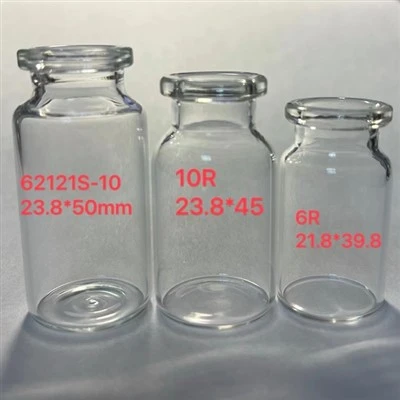
Glass vials are quite common in labs. They're often used to store liquids or solids. If the vial is empty and clean, you can usually recycle it. However, if it has been used to hold chemicals, you need to be more careful.
First, make sure to empty the vial completely. If there are any residues, you can try to rinse it out with an appropriate solvent. But be careful! Some chemicals might react with the solvent, so it's important to know what you're dealing with.
Once the vial is clean, you can recycle it with other glass items. However, if the vial has been contaminated with certain hazardous chemicals, it might need to be disposed of as hazardous waste. You can check with your local waste management facility to find out the specific requirements.
Check out our Glass Vial Packaging Custom Designed for high - quality glass vials.
Plastic Vials
Plastic vials are also widely used. They're lighter and more flexible than glass vials. Similar to glass vials, if the plastic vial is empty and clean, it can often be recycled. But again, if it has held chemicals, you need to take extra precautions.
Some plastic vials are made of different types of plastics, and not all plastics are recyclable. You can look for the recycling symbol on the vial to see if it can be recycled. If it's contaminated with hazardous chemicals, it should be treated as hazardous waste.
We offer Lab Vial with PP Cap and PE Septum, which are great plastic vials for various lab applications.
Vials with Special Contents
If a vial has contained radioactive materials, biological agents, or other highly dangerous substances, the disposal process is much more complicated. You'll need to follow strict regulations set by relevant authorities. These vials usually need to be handled by specialized waste disposal companies that have the proper equipment and expertise to deal with such hazardous materials.
Step - by - Step Disposal Process
Here's a general step - by - step guide on how to dispose of used lab vials:
- Identify the Contents: Before you do anything, figure out what the vial has contained. This will help you determine the appropriate disposal method.
- Empty the Vial: Carefully pour out the contents into the appropriate waste container. If there are residues, try to clean the vial as much as possible.
- Label the Vial: If the vial is still contaminated or has contained hazardous materials, label it clearly with the name of the substance and any relevant safety information.
- Segregate the Vials: Separate different types of vials and waste. For example, keep glass vials separate from plastic vials, and separate hazardous waste from non - hazardous waste.
- Contact the Right Disposal Service: If the vial contains hazardous materials, contact a licensed hazardous waste disposal company. They will know how to handle and dispose of the vial safely. If it's non - hazardous and recyclable, you can take it to a recycling center.
Environmental Impact
Proper disposal of used lab vials has a significant positive impact on the environment. By recycling vials, we can reduce the amount of waste going to landfills. Recycling also conserves natural resources, as it takes less energy to recycle glass and plastic than to produce new materials from scratch.
Moreover, by disposing of hazardous waste correctly, we prevent the release of harmful chemicals into the environment. This helps protect ecosystems, water sources, and human health.
Tips for Safe Disposal
- Wear Protective Gear: When handling used lab vials, especially those that have contained hazardous chemicals, wear gloves, goggles, and a lab coat to protect yourself.
- Follow Local Regulations: Different regions have different rules regarding waste disposal. Make sure you're aware of and follow the local regulations.
- Train Your Staff: If you're running a lab, make sure all your staff members are trained on proper vial disposal procedures.
Our Products and Services
As a lab vials supplier, we offer a wide range of high - quality lab vials, such as the 2ml Laboratory Vial for Auto Sampler. Our vials are designed to meet the needs of various lab applications.


We also understand the importance of proper disposal, and we're here to help you with any questions you might have. Whether you're looking for the right vials for your lab or need advice on disposal, we're just a step away.
If you're interested in purchasing our lab vials or have any questions about our products, feel free to reach out. We're eager to start a conversation and see how we can meet your lab vial needs.
References
- Environmental Protection Agency. (Year). Guidelines for Laboratory Waste Disposal.
- American Chemical Society. (Year). Best Practices for Handling and Disposing of Lab Vials.