

Lab Vials
Your Professional Lab Vials Supplier
Hangzhou Sunny Commodity Co.,Ltd. is a leading Chinese manufacturer and exporter of pharmaceutical and cosmetic package, glass vial, aluminum / plastic vial cap and consulting company. Sunny founded in 2005 by one specialized sales in pharmaceutical vial caps. Most of our products are used in pharmaceutical, medical , laboratory, cosmetic and healthcare products. Our mission is to ensure appropriate product quality while satisfying the needs of our customers is our prime objective and represents the core principle of our business activities..
What is Lab Vials?
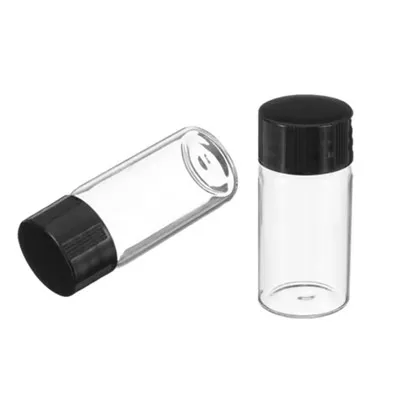
Vials are small containers composed of glass or plastic used in lab. it is often used for storing sample and transporting small amounts of liquid/solid samples, now it is widely used in pharmaceutical and cosmetic package. we supply volume from 0.5ml - 100ml



Why Choose Us
We offer a variety of transmission components
Quality Assurance
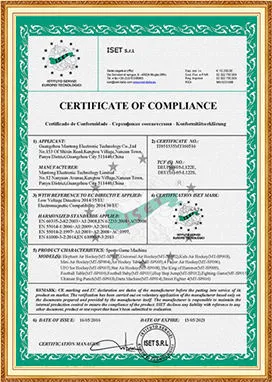
Certified by ISO15378, CE, SFDA, ISO9001, ISO14001 certificates, Sunny upholds stringent quality standards.
Extensive Experience
Sunny, since 2008, excels in injection vial, aluminum-plastic caps, and pharmaceutical packaging.
Export Markets
we have rich experience in export, Familiar with customs clearance and transportation in the exporting country,sell our products to more than 70 countries and regions.
Product Application
Our company boasts a wide array of products used in pharmaceutical, medical , laboratory, cosmetic and healthcare products
Characteristics of Lab Vials
Choose the lab vials that suits you best.

Prevent Sample pollution
These vials feature a sealed design that isolates the sample from the external environment, ensuring sample integrity and guaranteeing accurate results.

Improve the reliability of equipment
Improving the reliability of liquid/powder samples: Using laboratory vials can improve sample reliability and safety, ensuring stable product performance.

Reduced Sample Loss
Because laboratory vials are made of materials capable of withstanding the heating and pressurization conditions required for headspace analysis, sample loss is minimized, thus maintaining the integrity of all sample components.

Reduce Maintenance Costs
Traditional laboratory sample vials need to be cleaned, sterilized, or replaced regularly, while the excellent lab vials can reduce maintenance costs due to anti-adhesion properties and resistance to chemical buildup
Products Paramenters
| Product | lab vials | Testing method |
| Material Purity | Borosilicate Glass: Al₂O₃ 2.2–3.0%, Fe₂O₃ ≤0.1%; Polymers (e.g., PP/PE): No plasticizer migration, heavy metals (Pb/Cd) not detected | GB/T 1347 (Method for Chemical Analysis of Glass) |
| Visual Quality | No bubbles, streaks, cracks, or impurities; smooth surface without burrs; flat rim without chipping | GB/T 6578 (Terminology for Appearance Defects of Laboratory Glassware) |
| Capacity Tolerance | Nominal capacity ≤10mL: ±0.5mL; 10–50mL: ±1%; >50mL: ±2% | GB/T 12415 (Determination of Capacity of Pharmaceutical Glass Containers) |
| Dimensional Tolerance | Inner diameter of rim: nominal value ±0.1mm; bottle height: nominal value ±0.5mm; wall thickness uniformity deviation ≤0.2mm | GB/T 2639 (Determination of Dimensions of Glass Infusion Bottles) |
| Transparency | Visible light transmittance ≥92% (glass); haze ≤1% (polymer) | GB/T 2410 (Determination of Light Transmittance and Haze of Transparent Materials) |
| Chemical Resistance | Resistant to 10% HCl/NaOH solution immersion for 24h (no corrosion/swelling); resistant to acetone/ethanol immersion for 48h (no deformation) | GB/T 11547 (Performance of Plastics Against Liquid Chemical Reagents) |
| Low Adsorption | Bovine serum albumin (BSA) adsorption ≤0.5μg/cm²; DNA fragment adsorption ≤1ng/cm² | ISO 10993-18 (Chemical Characterization of Materials) |
| Sealing Compatibility | No slippage/deformation with matching caps (screw/crimp) at 0.6–1.2N·m torque | GB/T 17876 (Sealing Performance of Plastic Tamper-Evident Caps) |
| Leak Rate | No bubbles under 0.2MPa positive pressure (30min); no collapse under -0.05MPa negative pressure (15min) | GB/T 15171 (Test for Sealing Performance of Flexible Packages) |
| Impact Strength | No breakage when filled and dropped from 1m onto steel plate; no shattering when empty and dropped from 2m | GB/T 4546 (Test for Thermal Shock Resistance of Glass Containers) |
| Compressive Strength | No collapse/deformation when loaded with 50N (filled) or 20N (empty) at top (1min) | GB/T 1041 (Determination of Compressive Properties of Plastics) |
| Cleanliness | Particulate residue: ≤5 particles/mL (≥10μm), ≤0 particles/mL (≥25μm) (produced in Class 100 environment) | GB/T 11446.1 (Particle Detection of Electronic-Grade Ultrapure Water) |
| Sterility Grade | If applicable: Sterility Assurance Level (SAL) ≤10⁻⁶ (after autoclaving at 121℃ for 20min) | GB 15979 (Hygienic Standard for Disposable Sanitary Products) |
| Thermal Stability | No deformation/breakage/seal failure after 121℃ autoclaving (20min) or -40℃ freezing (24h) | GB/T 4545 (Test for Thermal Shock Durability of Glass Containers) |
| Label Durability | Printed label: No detachment after 3M tape (cross-cut ≥Grade 4B); no blurring after 10 alcohol wipes | GB/T 9286 (Cross-Cut Test for Paints) |
The values in the technical requirements are typical values; actual values need to be considered in conjunction with the application scenario.
Types of Lab Vial
Material
These include borosilicate glass vials, soda-lime glass or plastic vials, Polypropylene (PP), Polyethylene (PE), Polymethylpentene (PMP), Polytetrafluoroethylene (PTFE), Cyclo-Olefin Copolymer (COC)
Strong usability
Our storage vials, cryogenic vials, serum vials, injection vials, centrifuge vials, micro vials, scintillation vials is designed with specific performance characteristics tailored to the needs of various experimental scenarios, greatly enhancing their practicality and adaptability.
Easy to use
The lab vials are very simple to seal and use. the screw-cap vials, crimp-top vials, snap-cap vials, vials with inserts, vapor-tight vials, sterile vials is in a variety of open-mouth and is very suitable for laboratory equipment.
Production process of Lab Vials
Raw material preparation: For glass vials, this involves mixing and finely grinding raw materials like quartz sand (SiO₂, 70–75%), soda ash (Na₂CO₃, 15–20%), and limestone (CaCO₃, 5–10%) etc
Forming: The glass material is then shaped, typically through pressing or extrusion followed by machining on mold, to achieve the desired vial design.
Firing: This critical stage involves carefully controlled heating in a kiln to solidify the glass and eliminate internal thermal stress and achieve a uniform structure within the glass.
Finishing: This stage may include grinding, cutting, and sandblasting, and coating to ensure proper dimensions, a smooth surface and chemical stability.
Special vials manufacturing
Surface preparation: The surface of laboratory vials must be clean and free of impurities to ensure proper adhesion of the anti-adhesion coating.
Sterilization: A sterile bottles, , often sterilization with gamma rays or ethylene oxide is required to ensuring no pyrogens or endotoxins
Printing and marking: The lab vials printing, typically containing capacity, batch number, company logo and name is printed on the bottle body using screen printing or laser marking
Assemble: the lab vial, cap ( screw cap, bayonet capP, and spacers (silicone, PTFE) are assembled into a complete package.
Quality control and testing
lab vial testing: Each lab vials undergoes customize tests to ensure its sagety and performance under operating conditions.
Performance evaluation: Testing may also include low adsorption capacity of laboratory sample vials, seal, chemical resistance, sterility of pharmaceutical vials
Application of Lab Vials
Pharmaceutical Industry
The pharmaceutical industry stands as a pillar of modern healthcare, continuously striving to develop safe and effective drugs that improve human health and well-being. In this pursuit, lab vials emerge as indispensable tools that support critical aspects of drug development, manufacturing, and quality control. This expansion delves deeper into the various applications of lab vials within the pharmaceutical sector, shedding light on how these vials aid in advancing medicine and ensuring patient safety.
Environmental Monitoring
As human activities continue to exert a profound impact on the environment, the need for rigorous environmental monitoring becomes increasingly evident. Environmental monitoring plays a pivotal role in assessing and mitigating the consequences of pollution, climate change, and other ecological challenges. Among the array of sophisticated techniques utilized in this endeavor, lab vials stand out as essential tools, enabling the precise analysis of environmental samples and providing valuable insights to safeguard ecosystems and public health.
Food and Beverage Analysis
In a world where the food and beverage industry thrives on innovation and variety, ensuring the safety and quality of products has become a non-negotiable priority. Food scientists and analysts employ an arsenal of sophisticated techniques to assess the integrity of food and beverage products, with lab vials standing as an essential component in this critical process. By preserving samples and enabling accurate chromatographic analyses, these vials play a pivotal role in safeguarding consumer well-being, verifying label claims, and upholding food safety standards and regulations.
Forensic Science
Forensic science stands as a beacon of justice, aiming to uncover the truth and provide closure in the face of perplexing mysteries. At the core of forensic investigations lies the imperative to maintain the integrity of evidence, ensuring that every piece of material collected from crime scenes is meticulously preserved and analyzed. In this intricate process, lab vials emerge as essential instruments, playing a pivotal role in safeguarding crime scene samples and enabling accurate chromatographic techniques that hold the power to link suspects to crimes, exonerate the innocent, and provide irrefutable evidence in legal proceedings.
Petrochemical Industry
The petrochemical industry stands at the epicenter of modern civilization, driving the production of an extensive array of products that touch every aspect of our lives. Operating on a colossal scale, this industry deals with complex mixtures of hydrocarbons and chemical compounds derived from crude oil and natural gas. In this intricate landscape, lab vials play a pivotal role, providing a reliable means to store samples during exploration, refining, and quality control processes.
Agriculture and Pesticide Analysis
Agriculture, the backbone of food production, sustains the world's growing population. However, the use of pesticides to protect crops from pests and diseases raises concerns about food safety and environmental impact. In this dynamic landscape, lab vials emerge as essential tools, playing a pivotal role in pesticide analysis and quality control. These vials stand at the forefront of efforts to ensure that agricultural products are free from harmful pesticide residues, fostering safe and sustainable practices that meet regulatory standards and consumer expectations.
Use of Lab Vials
Autosamplers automatically and accurately load samples for analysis. It's critical to choose the appropriate vial for autosampler use. The incorrect vial could lead to problems such as sample degradation or damage to the autosampler. Additionally, not all autosampler vials are the same, so you need to consider the type of machine before choosing the vial.
Cryogenic Vials
Cryogenic vials must consist of materials that can withstand extremely cold temperatures. This may include the storage of biological samples at minus 196 C. By choosing the right vial material, you can protect your samples, lab equipment and employees.
Sample Vials
Sample vials are general-purpose containers used to collect, store or transport a range of specimens. You'll find sample vials containing everything from essential oils to crime-scene evidence. Sample vials may be made of glass or plastic and be clear, amber or white. Sample vials may also be autoclavable.
Scintillation Vials
Scintillation vials are important components of liquid scintillation counting, or a technique used to measure a substance's radioactive activity. During this process, radioactive samples are placed in glass or plastic vials and loaded into a liquid scintillation counter.
How to Properly Store lab vials to Maintain Sample Integrity 6 Steps
Choose the right vial
The first step in maintaining sample integrity involves selecting the appropriate lab vial. Materials such as borosilicate glass or inert plastic are recommended to minimise interaction between sample and vessel. Consider the specific chromatographic technique used and ensure that the vials are compatible. Choosing the right vials lays the foundation for a robust storage system.
Cleanliness is key
It is essential to ensure that both vials and caps are perfectly clean before storing samples. Any impurities or contaminants left behind can compromise the integrity of the sample. Wash the vials and caps with a suitable cleaning solution, followed by rinsing with a high-purity solvent to remove minute amounts of impurities. The meticulous cleaning process prepares the stored sample for maintaining its purity.
Proper sealing
Maintaining an airtight seal is critical to preventing the ingress of air and moisture, which can adversely affect sample stability. Tighten caps securely to create an airtight seal and consider using septums or liners to enhance sealing. Select chemically inert caps to prevent interaction with the sample. A tightly sealed vial ensures the long-term quality of the sample during storage.
Temperature control
Temperature control is an important factor in maintaining sample stability. lab vials should be stored in a temperature-controlled environment (usually cold) to delay chemical reactions and reduce the risk of sample degradation. Refrigerators or freezers are suitable for most samples, but it is important to match the storage temperature to the specific characteristics of the sample being stored.
Protection from light
Exposure to light can have an adverse effect on samples, especially light-sensitive samples. Consider using amber or coloured vials to protect samples from light, especially if they contain photosensitive compounds. Storing vials in dark or opaque containers provides an additional layer of protection against potential degradation and ensures the stability of light-sensitive samples.
Organization and Labeling
Maintaining a systematic approach to organising stored lab vials is important for efficient retrieval and tracking. Each vial should be clearly labelled with relevant information such as sample name, preparation date and other relevant details. This not only ensures traceability but also facilitates efficient management of stored samples. Implementing a robust organisation and labelling system will streamline laboratory workflows and contribute to the overall success of scientific experiments.
What Factors Should I Consider When Choosing Lab Vials?
Material Composition
The material of the lab vial is an important factor. Most lab vials are made of glass or plastic, each with its own advantages. Glass vials are inert and suitable for a wide range of samples, while plastic vials are often preferred because they are lighter and less prone to breakage. The choice between glass and plastic depends on the nature of the sample and the analytical requirements.
Vial Types
There are various types of lab vials, including screw cap vials, crimp top vials, and snap cap vials. The choice depends on the specific HPLC instrument used. For example, some instruments may require a specific type of closure mechanism, which will influence the choice between screw cap and crimp top vials.
Septum Material
The septum, or cap liner, is the critical component that seals the vial. It is important to consider the material of the septum, which is usually made of silicone or PTFE. The choice depends on factors such as sample compatibility, chemical resistance, and analysis temperature.
Septum Thickness
The thickness of the septum can affect the penetration force of the needle and thus the integrity of the sample. Selecting the proper septum thickness is important to ensure a proper seal while allowing for effective sample extraction during injection.
Vial Volume
Vial volume is an important consideration based on sample size and equipment requirements. The use of properly sized vials minimizes sample waste and ensures accurate and reproducible results.
What Are the Common Quality Control Tests for Lab Vials?


Dimensional Accuracy: Verify the vials' dimensions, ensuring they meet the specified standards, such as inner and outer diameters, length, and thread finish.
Weight Variation: Check for uniformity in vial weight to ensure consistent sample capacity and injection accuracy.
Wall Thickness: Measure the thickness of the vial's walls to ensure they meet the required specifications, which can affect durability and sample integrity.
Thread Quality: Examine the thread finish for precision, ensuring proper sealing with caps and minimizing the risk of sample contamination.
Glass Purity: Assess the glass composition for purity and the absence of impurities that could leach into samples.
Surface Quality: Inspect the vial's interior and exterior surfaces for defects, scratches, or particles that may interfere with sample integrity or analysis.
Chemical Resistance: Test the vials' resistance to common solvents and reagents used in HPLC to ensure they do not react with or contaminate samples.
Sealing Integrity: Check the septa's quality and performance to ensure they create a reliable seal without leaks or sample loss.
Leak Testing: Conduct a leak test to verify that the vials maintain a proper seal under pressure or vacuum conditions, preventing sample evaporation or contamination.
Cap Seal Integrity: Assess the caps' sealing ability, making sure they create an airtight and leak-proof seal when applied to the vials.
Certified Cleanliness: Verify that vials are cleaned and packaged in a clean environment to prevent contamination before use.
Batch Consistency: Evaluate the consistency of vials within a production batch to ensure uniform quality and performance.
Sterility: In cases where sterile vials are required, ensure the vials are sterilized and maintain their sterility until use.
Common Problems and Solutions When Using Lab Vials
Contamination Woes
Problem: Contamination is an ongoing threat in working with lab vials, with even trace amounts of impurity threatening the accuracy and reliability of your analysis. Contamination may arise due to insufficient cleaning of vials; it could also originate in contaminants leaching out from vial materials themselves - something especially challenging when working with sensitive samples.
Solution: In order to prevent contamination, it's essential that vials and caps made from materials with low chemical reactivity be selected as much as possible. Borosilicate glass and polypropylene are two materials known for being relatively inert when it comes to sample interactions. Thorough cleaning before use should also be completed - either by using an appropriate solvent and air drying the vials before use, or opting for certified pre-cleaned vials with minimal contamination risk. Whenever dealing with sensitive samples it may be advantageous to consider ultra clean certified vials which reduce risks further by eliminating potential for cross contamination risk.
Leakage Situations
Issue: lab vial leaks can create many issues for analysis, from sample loss and altered results, to potential instrument damage and even sample theft. A secure seal is key to ensure the integrity of your analysis process.
Solution: The key to creating an effective seal begins with tightening vial caps according to manufacturer specifications and using recommended torque settings. Over-tightening may distort and damage vial caps, leading to leaks; always follow manufacturer recommendations for torque settings when tightening vial caps. Also be mindful to regularly inspect vials and caps for signs of wear or damage as this could compromise results and necessitate replacement promptly in order to maintain reliable results.
Evaporation Conundrum
Problem: Some samples containing volatile compounds are susceptible to evaporation when stored for extended periods in lab vials, potentially altering concentration levels and leading to inaccurate results.
Solution: To reduce sample evaporation risks, choose vial caps with strong sealing properties such as septa or crimp caps for reliable sealing against evaporation. Furthermore, store vials in an environment that is cool and dry can help mitigate their potential for loss due to evaporation; work quickly when handling volatile samples so as to limit their time spent inside vials.
Shattered Dreams and Vials
Problem: Vial breakage is an unfortunate but frequently occurring occurrence, often in response to sudden temperature or pressure changes or fluctuations. A broken vial not only disrupts workflow, but may pose serious safety hazards.
Solution: Preventing vial breakage begins by handling them carefully. Avoid rapid temperature fluctuations between hot and cold environments and protect the vials from physical strain by selecting vials specifically designed to withstand thermal stress, while protective storage containers or trays may help minimize breakages, thus protecting both samples as well as lab equipment from being lost due to mishandling.
Adsorption Aggravation
Problem: Sample adsorption refers to when vial materials absorb some components from samples. This can result in reduced recovery rates and inaccurate results when working with trace-level analytes.
Solution: To reduce sample adsorption, select vials made of materials with low absorption rates; silanized glass vials and polypropylene vials are known for their inertness, making them great choices. Furthermore, utilize appropriate sample preparation techniques, such as rinsing vials with compatible solvents to remove contaminants or residues on their surfaces - this can significantly lower risk for sample adsorption.
Our Certifications
We pride ourselves in supplying worldwide with high quality and guaranteed products for all your pharmaceutical and laboratory demands.



Ultimate FAQ Guide to Lab Vials
As one of the leading lab vials manufacturers and suppliers in China, we warmly welcome you to wholesale cheap lab vials for sale here from our factory. All customized products are with high quality and low price.
Standard Screw Thread Amber Lab Vials, Lab Vials, Long Lab Vials 10ml