

Why Choose Us?
Reliable Product Quality
Cyberblue is a comprehensive team profession in international trade, high-quality products that meet international standards, lower costs compared to factory, allows businesses to find the products you need in one location, many customization options including design, materials and packaging.
Rich Experience
We have rich experience in international trade, has exported our products to Germany, France, Britain, Holland, Poland, Russia, Ukraine, America, Canada, Mexico, Brazil, Chile, the United States of America, Canada, Mexico, Brazil, Argentina and more than 70 countries and regions.
Wide Product Range
We specializes in disposable pen injector, injection vials, 10ml clear and amber glass vials of many different sizes, 13mm and 20mm butyl rubber stoppers, many different kinds of flip off seals, medical pill bottles of many different size, bottle caps and closures.
Excellent Customer Service
We offer a wide range of services to help clients bring their products to market efficiently and effectively. Manufacture products according specifications provided by clients. Research and development services to help clients develop new products or improve existing ones.
What is Pharmaceutical Package?
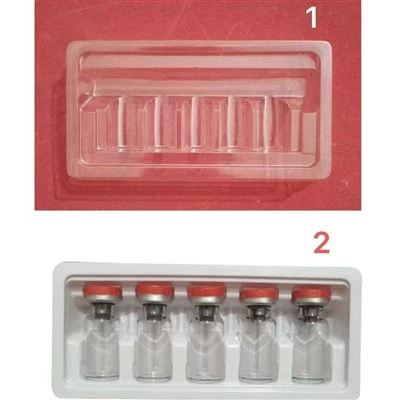
Pharmaceutical packaging refers to packaging materials and containers that directly contact medicines and belongs to the category of special packaging. Pharmaceutical packaging types include bottles designed for different types of drugs, blister packages, and tracking systems for healthcare facilities that provide pharmaceuticals to multiple patients. The most common type of pharmaceutical packaging for home use is the bottle. Now plastic bottles are widely used. Most bottles for tablets and liquids are dark colored. Blister packaging and unit dose packaging are also widely used.


Advantages of Pharmaceutical Package
Ensuring Product Quality
The primary purpose of pharmaceutical package is to protect the drug and ensure its quality up to the point of use. Packaging must provide an airtight and sterile environment that will protect the product from contamination by the environment and other external factors such as humidity, temperature, and light exposure. The packaging also ensures the drug substance remains chemically and physically stable during storage and transportation, thus preserving the integrity of the product.
01
Meeting Regulatory Standards
Pharmaceutical package must comply with strict regulations enforced by the FDA. Any non-compliance would lead to product recall, economic fines or penalties, and damage to the company's reputation. The packaging must also provide clear and accurate information to the consumer such as dosage, usage instruction, expiration date, and storage conditions.
02
Protecting Public Safety
Pharmaceutical package plays a crucial role in ensuring the safety of the consumer. Packaging ensures that the product is not contaminated, has not expired, and there is no risk of counterfeiting. Accidentally ingesting a counterfeit drug can lead to serious injury or death. Packaging can also protect the patient during transport and storage since some drugs require temperature control and protection from light exposure.
03
Enhancing Brand Recognition
A well-designed package can promote brand recognition and set apart companies in a competitive industry. Packaging should be aesthetically pleasing, and functional, and convey the company message effectively. A visually attractive package can engage with the consumer and create brand loyalty, trust, and more sales.
04
Eco-Friendly Packaging
Pharmaceutical companies are also focusing on eco-friendly packaging to reduce their environmental footprint. This includes using recyclable and biodegradable materials, reducing the package size, and minimizing the number of materials used in the manufacture of the package. By implementing eco-friendly packaging, companies can demonstrate their commitment to reducing environmental damage and provide consumers with a product that is environment-friendly.
05
Types of Pharmaceutical Package
Primary packaging
Primary pharmaceutical packaging refers to the immediate container that comes into direct contact with the medication. It is designed to safeguard the drug's integrity and prevent degradation.
Blister packaging: Offers individual compartments for medication, providing protection and ease of use.
Pill bottles: Securely stores solid medications, often equipped with child-resistant features.
Ampoules and vials: Airtight glass containers for liquid or injectable medications, ensuring sterility.
Child resistant packaging: Incorporates safety mechanisms to prevent accidental ingestion by children.
Secondary packaging
The outer layer that contains and protects the primary packaging is referred to as the secondary packaging. It serves multiple purposes, including additional security, tamper-evidence, and branding information. Here are examples of commonly used secondary packaging:
Cardboard cartons: Provides an additional layer of protection and acts as a branding platform.
Cold seal wallets: Ensures tamper-evident packaging for temperature-sensitive medications.
Blister wallets: Securely holds blister packs, offering an extra layer of protection during transport.
Paperboard boxes: Sturdy packaging solution for various pharmaceutical products.
Clear boxes: Transparent packaging that allows visibility of the primary packaging and medication information.
Tertiary packaging
The tertiary packaging is the outermost layer used for transportation and storage of pharmaceutical products. Its primary purpose is to ensure the safe distribution of medications from the manufacturer to warehouses, pharmacies, and hospitals. By utilizing efficient tertiary pharmaceutical packaging, we can save on material waste, reduce transport costs, lower CO2 emissions, and enhance pallet stability. Typical examples of this type of tertiary pharmaceutical packaging include pallets, shipping boxes, and pallet wraps.
Primary Materials for Pharmaceutical Package
Glass
Glass, a timeless option, is preferred for pharmaceutical package. It includes variations like Amber glass for light-sensitive medications and Clear glass for others. Classified into Type I, II, and III, glass is utilized to create glass vials, ampoules, and bottles, forming a dependable barrier against contaminants.
Plastic
Plastic brings versatility to pharmaceutical package. High-Density Polyethylene (HDPE), Low-Density Polyethylene (LDPE), Polyethylene Terephthalate (PET), and Polypropylene (PP) are common plastic types employed. Molded into bottles, blister packs, sachets, and prefilled syringes, plastic materials blend functionality with convenience.
Metal
Metal, encompassing Tinplate, Stainless Steel, and Aluminum, is chosen for its robust nature. These materials are integral in the production of containers, providing resilience against environmental factors and preserving product stability.
Child-resistant and Sterile Packaging
Emphasizing patient safety, specialized designs and materials contribute to child-resistant and sterile packaging. These additional layers of protection ensure pharmaceuticals remain secure from unintended access or contamination.


When choosing optimal packaging materials for pharmaceutical drugs, product needs often dictate the materials being used. Selection of a packaging material will depend on the specific drug and its storage and transportation requirements. Some key material performance attributes that influence material choice include chemical resistance, barrier properties, sterilization compatibility, durability, and transparency.
Chemical resistance is important because the packaging material should be able to prevent any interactions between the drug and the packaging that could compromise the drug’s efficacy or stability.
Barrier properties are also of critical importance, as excellent barrier properties will protect the pharma drug from oxygen, moisture and light, ensuring the drug’s safety. This is critical for pharmaceuticals that are sensitive to these sources of exposure, such as anti-cancer drugs, central nervous system (CNS) drugs, topical drugs, and drugs that modulate the immune system.
Sterilization compatibility is a key attribute because the packaging should be compatible with the sterilization methods used in the pharmaceutical industry. This ensures that the package is free of microbial contamination.
Durability is important especially during transportation and handling, as a robust and strong material helps ensure that the pharmaceutical reaches the end-user safely.
Transparency is essential because the pharma packaging should be transparent enough to allow for easy inspection of the drug for defects or discoloration without opening the package.
How to Choose Pharmaceutical Package
Tamper-evident features in pharmaceutical package
Tamper-evident features are essential to ensure the integrity and safety of medications. These features can include seals, holograms, or other indicators that reveal any tampering attempts, providing reassurance to patients and healthcare professionals.
Specialty packaging for temperature-sensitive drugs
Some medications require specific temperature conditions for storage and transportation. Specialty packaging solutions, such as insulated containers, cold chain packaging, or temperature-controlled packaging, are designed to maintain the integrity and efficacy of temperature-sensitive drugs.
Compliance packaging
To improve medication adherence, compliance packaging plays a significant role. These packaging designs help patients follow their prescribed dosage regimens by organizing medications in a convenient and easy-to-understand manner.
Smart packaging solutions for pharmaceuticals
Innovative technologies are being incorporated into pharmaceutical package to enhance drug stability and patient safety. Smart packaging solutions can include features such as electronic monitoring, temperature sensors, or indicators to track medication usage and ensure optimal storage conditions.
Regulatory considerations in pharmaceutical package
The pharmaceutical industry is subject to strict regulations and guidelines regarding packaging requirements. It is essential for manufacturers to adhere to these regulations, which cover aspects such as quality, safety, labeling, and patient information.
Paper and Cardboard
Secondary packaging often involves paper and cardboard, forming cartons and boxes. These materials contribute to the presentation of drug packaging and offer a dependable and sustainable option. At Arka, we offer eco-friendly custom shipping boxes that enhance product safety.
Labels and Inserts
Information is paramount in pharmaceuticals, and labels and packaging inserts serve this purpose. These materials convey dosage instructions, warnings, and other essential details to end-users.
Tamper-Evident Packaging
Tamper-evident packaging, encompassing seals, shrink bands, custom stickers and tape seals, is critical for maintaining the integrity of pharmaceutical products. It provides visible evidence of any interference, assuring consumers of the untouched state of the product.
Blister Cards, Folding Cartons, Pouches, and Bags
Enhancing user experience, these materials offer convenient and organized packaging solutions. Blister cards, folding cartons, pouches, and bags provide flexibility in design and function.
Tertiary Packaging Materials for Pharmaceuticals
Corrugated Boxes
Tertiary packaging, tailored for bulk shipment, often involves sturdy corrugated boxes. These boxes protect pharmaceuticals during transit, ensuring they reach their destination in optimal condition.
Pallets
Pallets play a crucial role in pharmaceutical logistics, facilitating efficient storage and transportation in larger quantities.
Shrink Wrap and Security Seals
Shrink wrap adds an extra layer of protection to tertiary packaging, ensuring stability during transportation. Security seals offer visible evidence of any tampering during transit.
Key Applications of Pharmaceutical Package Materials
Prescription Medications
At the forefront of defending prescription medications, pharmaceutical package materials are a robust barrier from manufacturing to patient use. They shield medications from external adversaries like light, moisture, and air, preserving their stability and efficacy. Not only do these materials prevent contamination and tampering, but they also ensure patients receive the precise dosage prescribed by healthcare providers. Whether it's blister packs or vials, the meticulous choice of drug packaging materials is indispensable in maintaining the therapeutic potential of prescription medications.
Dental Products
In the realm of dental products, encompassing orthodontic devices, adhesives, and sterilized instruments, pharmaceutical package materials serve a dual purpose. Beyond shielding these products from environmental influences that could alter their composition, these materials guarantee they reach dental professionals in a state of pristine sterility. The demanding standards of dental hygiene necessitate packaging materials that are durable and adept at preserving the enclosed items' sterility until they are ready for use.
Biopharmaceuticals
The distinctive attributes of biopharmaceuticals, comprising proteins and antibodies, mandate using specialized drug packaging materials. These materials must establish a protective barrier against degradation from temperature fluctuations and light exposure. Furthermore, they must facilitate these delicate biological products' safe and efficient storage and transportation. By deploying state-of-the-art pharmaceutical package materials, the biopharmaceutical industry guarantees that these advanced therapeutic agents maintain their efficacy from production to patient administration.
Vaccines
The global dissemination of vaccines hinges crucially on pharmaceutical package materials to uphold their potency. Vaccines, particularly sensitive to temperature shifts, risk compromised efficacy if not stored and transported under optimal conditions. Packaging materials endowed with insulation and temperature-control features become imperative in preserving the cold chain integrity of vaccines. This meticulous approach ensures that these pivotal tools in disease prevention remain potent, whether destined for local clinics or the remote corners of the globe.
Functions of Pharmaceutical Package
Containment
The containment of the product is the most fundamental function of packaging for medicinal products. The design of high-quality packaging must take into account both the needs of the product and of the manufacturing and distribution system. This requires the packaging: not to leak, nor allow diffusion and permeation of the product, to be strong enough to hold the contents when subjected to normal handling and not to be altered by the ingredients of the formulation in its final dosage form.
Protection
The packaging must protect the product against all adverse external influences that may affect its quality or potency, such as light, moisture, oxygen, biological contamination, mechanical damage and counterfeiting/adulteration.
Presentation and information
Packaging is also an essential source of information on medicinal products. Such information is provided by labels and package inserts for patients.
Identification
The printed packs or its ancillary printed components serves the functions of providing both identity and information.
Convenience
The convenience is associated with product use or administration e.g., a unit dose eye drop which both eliminates the need for preservative and reduces risks associated with cross infection, by administering only a single dose.
Why Thermoforming Is Pivotal for Pharmaceutical Package?
Precision and customization
Thermoforming allows for precise control over the thickness and details of the packaging. This is crucial in pharmaceuticals, where the dosage and integrity of medication must be protected.
Material efficiency
With advanced trimming and recycling capabilities, thermoforming is a friend to companies conscious of their environmental footprint.
Protective qualities
The packaging created through thermoforming can be designed to be child-resistant, aligning with the best practices of safety and compliance.
The Challenges of Pharmaceutical Package
What Are the Ideal Qualities of Pharmaceutical Package?
Pharmaceutical package should be tamper-evident
Another essential criteria for pharmaceutical package is that it should be tamper-evident. Pharmaceuticals are often targeted and can fall victim to counterfeit. In fact, more than 86% of brands believe their business is significantly damaged by counterfeiting and managers say they lose between 10-15% of revenue. This not only causes huge financial troubles, but it also poses a threat to your customers.
Pharmaceutical package should protect sensitive products from damage
One of the most obvious and important qualities of pharmaceutical package is that it provides optimum protection against any damage that can occur throughout the supply chain. A study showed how 30% of global pharmaceutical and life science deliveries are spoilt or damaged before reaching their destination.
Pharmaceutical package should be convenient for consumers
While pharmaceutical package should be tamper-evident, it should also be convenient for customers to handle. After all, product packaging that offers convenience for users tends to be more widely accepted than those that do not. This means that the ideal pharmaceutical package should not be excessively heavy or overly complicated as the market always appreciates simplicity and ease of use. Especially for medications that are being used daily, the packaging needs to be easy to open and reseal.
Pharmaceutical package should provide proper labelling and instructions
Accurate labelling and usage instructions are essential when it comes to ideal pharmaceutical package. The package should have a clear label indicating the medication’s name, strength, as well as the dosage and frequency of usage. The label also needs to include any special storage or handling requirements.c
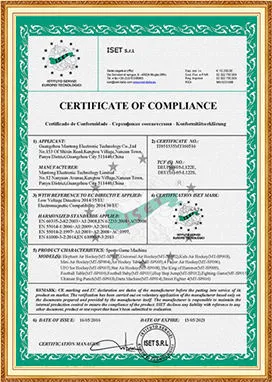
Our Certifications
We pride ourselves in supplying worldwide with high quality and guaranteed products for all your pharmaceutical and laboratory demands.



Our Factory
Cyberblue Is a professional Chinese manufacturer of pharmaceutical products, with three shareholding factories, the earliest factory established in 1987. Factory is a member of China pharmaceutical packaging association and a manufacturer bottle caps certified by the Chinese government. We sell injector pen, pharmaceutical package, pharmaceutical bottle caps, laboratory equipment worldwide.


Ultimate FAQ Guide to Pharmaceutical Package
As one of the leading pharmaceutical package manufacturers and suppliers in China, we warmly welcome you to wholesale cheap pharmaceutical package for sale here from our factory. All customized products are with high quality and low price.