What are the common problems with lab vials and how to solve them?
Leave a message

Hey there, fellow lab enthusiasts! As a supplier of lab vials, I've seen my fair share of issues that researchers and scientists run into when using these essential tools. In this blog, I'll chat about some of the common problems with lab vials and how you can solve them.
Leakage
One of the most annoying problems is leakage. It can mess up your experiments, contaminate samples, and just generally be a pain in the neck. There are a few reasons why vials might leak.
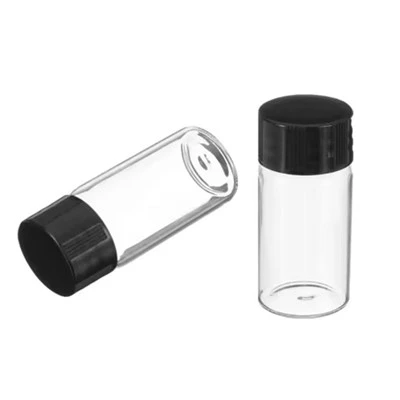
First off, the seal could be faulty. Sometimes, the cap doesn't fit tightly enough, or the gasket that's supposed to create a seal is damaged. If you're using 15ml Clear Glass Vial Screw Cap, make sure the cap is screwed on properly. Give it a good, firm twist, but don't overdo it, or you might crack the vial.
Another cause of leakage can be pressure changes. If you're working with samples that generate gas or if you're moving vials between different temperature environments, the pressure inside the vial can change. This can force the liquid out through any small gaps in the seal. To solve this, you can use vials with pressure-resistant seals. Some vials come with special gaskets or caps that can handle pressure changes better.
Breakage
Lab vials are made of glass or plastic, and both materials can break. Glass vials are more prone to breakage, especially if they're dropped or knocked around. Plastic vials, on the other hand, can crack or split if they're exposed to harsh chemicals or extreme temperatures.
To prevent breakage, handle vials with care. When you're moving them around, use a rack or a tray to keep them stable. If you're using glass vials, avoid sudden temperature changes. For example, don't take a vial straight from a freezer and put it in a hot water bath. This can cause the glass to expand or contract too quickly and crack.
If you're worried about breakage, you might want to consider using plastic vials like 0.5ml Lab Microcentrifuge Tube Vials. They're more flexible and less likely to break than glass vials. However, keep in mind that some chemicals can react with plastic, so make sure the vial is compatible with your sample.
Contamination
Contamination is a big deal in the lab. It can affect the accuracy of your results and even invalidate your experiments. There are several ways vials can get contaminated.
One common source of contamination is improper cleaning. If you reuse vials, make sure you clean them thoroughly between uses. Use a suitable cleaning agent and follow the manufacturer's instructions. You might also want to consider using disposable vials to avoid the risk of cross-contamination.
Another way vials can get contaminated is through exposure to the environment. When you're working with vials, make sure you're in a clean area. Wear gloves and use a clean pipette to transfer samples. If you're using a vial with a screw cap, make sure the cap is clean before you put it on.
Incompatibility with Samples
Not all vials are suitable for all types of samples. Some samples can react with the material of the vial, which can affect the quality of the sample or even damage the vial.
For example, some chemicals can corrode glass vials. If you're working with acidic or basic solutions, you might want to use plastic vials instead. On the other hand, some samples can stick to plastic vials, which can make it difficult to get an accurate measurement. In this case, glass vials might be a better choice.
When you're choosing a vial, make sure you consider the properties of your sample. If you're not sure which vial is best for your sample, you can always consult the manufacturer or a lab expert.
Incorrect Sizing
Using the wrong size vial can also cause problems. If the vial is too small, you might not be able to fit all of your sample. If it's too large, the sample might be spread out too thinly, which can affect the accuracy of your measurements.


Before you choose a vial, make sure you know how much sample you need to store. If you're working with small samples, you might want to use 1.5ml HPLC Sample Glass Clear Vial for Lab. If you have a larger sample, you can choose a bigger vial.
How to Solve These Problems
Now that we've talked about the common problems, let's look at how you can solve them.
- Leakage: Check the seal of your vials regularly. Make sure the caps are screwed on tightly and the gaskets are in good condition. If you're using vials with pressure changes, consider using vials with pressure-resistant seals.
- Breakage: Handle vials with care. Use a rack or tray to keep them stable. Avoid sudden temperature changes if you're using glass vials. Consider using plastic vials if you're worried about breakage.
- Contamination: Clean your vials thoroughly between uses. Use disposable vials if possible. Work in a clean area and wear gloves.
- Incompatibility with Samples: Choose the right vial for your sample. Consider the properties of your sample and the material of the vial. Consult the manufacturer or a lab expert if you're not sure.
- Incorrect Sizing: Know how much sample you need to store and choose the appropriate vial size.
Conclusion
Lab vials are an important part of any lab, but they can come with their fair share of problems. By being aware of these common issues and taking the necessary steps to solve them, you can ensure that your experiments run smoothly and your results are accurate.
If you're in the market for high-quality lab vials, we've got you covered. We offer a wide range of vials in different sizes and materials to meet your needs. Whether you're looking for glass vials, plastic vials, or something in between, we've got the perfect solution for you. If you have any questions or want to discuss your specific requirements, don't hesitate to reach out and start a procurement conversation.
References
- General knowledge of lab practices and vial usage.
- Manufacturer's guidelines for lab vials.