

Why Choose Us?
Reliable Product Quality
Cyberblue is a comprehensive team profession in international trade, high-quality products that meet international standards, lower costs compared to factory, allows businesses to find the products you need in one location, many customization options including design, materials and packaging.
Rich Experience
We have rich experience in international trade, has exported our products to Germany, France, Britain, Holland, Poland, Russia, Ukraine, America, Canada, Mexico, Brazil, Chile, the United States of America, Canada, Mexico, Brazil, Argentina and more than 70 countries and regions.
Wide Product Range
We specializes in disposable pen injector, injection vials, 10ml clear and amber glass vials of many different sizes, 13mm and 20mm butyl rubber stoppers, many different kinds of flip off seals, medical pill bottles of many different size, bottle caps and closures.
Excellent Customer Service
We offer a wide range of services to help clients bring their products to market efficiently and effectively. Manufacture products according specifications provided by clients. Research and development services to help clients develop new products or improve existing ones.
What is Pharmaceutical Bottle Caps?
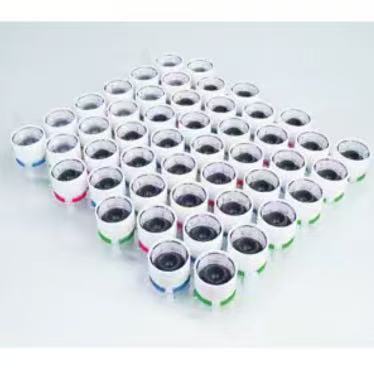
Pharmaceutical bottle caps or closures are used to protect a product during production, carriage, and display until the product is consumed by the end-user. The ones used in the pharmacy are composed (in substantial portion or the whole amount) of plastic materials that contain pharmaceutical formulations. They must be economical and also provide protection against physical, mechanical and chemical hazards, climatic or biological conditions that could lead to or cause product deterioration.




Advantages of Pharmaceutical Bottle Caps
Contamination Prevention
Pharmaceutical bottle caps serve as a barrier against contaminants, including dust, microbes, and moisture. This is crucial for maintaining the quality and safety of medications.
01
Tamper-Evident Features
Caps with tamper-evident features, such as flip-off caps, provide visual cues to users if the pharmacy vial has been opened or tampered with. This adds an extra layer of security and ensures the authenticity of the medication.
02
Dosage Control
Some vial caps are designed to facilitate precise dosage measurement. This is particularly important for medications that require accurate dosing, such as insulin.
03
Customization for Medication Specifics
Different medications have varying requirements. Pharmaceutical bottle caps can be customized based on the specific needs of the medication, ensuring compatibility and optimal storage conditions.
04
Ease of Use
The design of vial caps takes into consideration ease of use for both healthcare professionals and patients. Caps like screw caps and snap caps provide a balance between security and convenience.
05
Types of Pharmaceutical Bottle Caps
Screw Caps
Screw caps are the most common type of vial caps. They have threads that match those on the pharmacy vial, allowing for a secure and tight seal.
Benefits: Excellent seal integrity. Easy to open and close. Suitable for various vial sizes.
Flip-Off Caps
These pharmacy caps have a central portion that can be flipped off with the thumb. They are often used for injectable medications.
Benefits: Tamper-evident design. Quick and easy access to the pharmacy vial. Ideal for medications requiring frequent access.
Child-Resistant Caps
Child-resistant caps or closures (CRCs) are designed to be difficult for young children to open, reducing the risk of accidental ingestion.
Benefits: Enhanced safety for households with children. Meets regulatory requirements for certain medications. Maintains adult-friendly usability.
Snap Caps
Snap caps provide a secure seal by snapping onto the pharmacy vial. They are commonly used for oral medications.
Benefits: User-friendly design. Quick and easy to use. Ensures the integrity of oral medications.
Reversible Caps
Reversible caps for prescription vials designed with the needs of senior adults in mind aim to provide a balance between child-resistant features and easy accessibility for individuals with reduced strength or dexterity.
Benefits: Enhanced Accessibility for Seniors. Child-Resistant Safety. Adaptive Design


In terms of material, there are two common raw materials for pharmaceutical bottle capss: polypropylene and polyethylene. Most of the lids are mainly made of polypropylene, which is a colorless, odorless, non-toxic, translucent solid substance with a temperature range of -30 to 140 °C. It is resistant to corrosion by acid, alkali, salt solution and various organic solvents below 80 °C. Bottles produced with this material are glossier, but less flexible.
Polyethylene is a thermoplastic resin obtained by polymerization of ethylene. It is odorless, non-toxic, feels like wax, has excellent low temperature resistance (minimum operating temperature can reach -100~-70°C), and has good chemical stability. Resistant to most acids and bases (not resistant to oxidizing acids). It is insoluble in common solvents at room temperature, with low water absorption and excellent electrical insulation. The lid of this material is used more in the packaging of effervescent tablets, and its soft characteristics are very suitable for spring lids.
Functions of Pharmaceutical Bottle Cap
Protective function - This ensures protecting the contents from various forms of damages, loss and theft. The cap also ensures protection against climatic conditions, such as rainfall, humidity, temperature etc. The inward protective function retains the utility value of the packaged goods. Additional packaging measures may be fabricated against precipitation and solar radiation.
Storage function - The pharmaceutical bottle cap should be stored properly before packaging to preserve the quality of the material and content.
Loading and transport functions - Caps used in pharmaceutical purposes are designed to withstand the many different static and dynamic forces which it will encounter during transport, handling, and storage operations.
Identification - Each bottle cap must identify the manufacturer of the product.
Examples of Pharmaceutical Bottle Caps in Action
Insulin Vials
Insulin vials often come with screw caps that allow for precise dosage measurement, ensuring that patients can administer the correct amount of insulin.
Oral Medications
Snap caps are frequently used for pharmacy vials containing oral medications, providing a user-friendly experience for patients who need to access their medications regularly.
Liquid Antibiotics
Medicine vials containing liquid antibiotics may be equipped with dropper caps. These pharmacy caps facilitate precise dosing, especially for pediatric patients.
Prescription Pain Medications
Strong prescription pain medications may come with child-resistant snap caps. These medicine vial caps combine child-resistant features with the convenience of snap-off functionality.
Senior Adult Medications
A medicine vial designed with a reversible cap addresses the unique requirements of senior adults. In the child-resistant mode, the cap incorporates a simple push-and-turn mechanism, meeting safety standards to prevent accidental ingestion by children. In the reversible state, the same cap can be configured to function in a senior-friendly mode. This mode involves a straightforward twist or push mechanism that is easier for seniors to manage compared to traditional child-resistant vial designs.
Challenges Faced by the Elderly When Using Pharmaceutical Bottle Capss


Reduced Dexterity and Hand Strength: One of the primary challenges faced by elderly individuals is the decline in fine motor skills and hand strength. Traditional medication caps, often designed with small and intricate features, can be particularly difficult for seniors to manipulate. The act of gripping and turning a pharmacy cap, especially one with a child-resistant mechanism, can be a daunting task for those with diminished hand strength.
Arthritis and Joint Pain: Arthritis, a prevalent condition among the elderly, affects the joints and can cause pain and stiffness. The standard design of medication caps, which typically requires a twisting or pushing motion, can exacerbate the discomfort experienced by individuals with arthritis. This not only poses a physical challenge but also creates a potential barrier to consistent and timely medication access.
Visual Impairments: Age-related changes in vision, such as presbyopia, impact the ability of elderly individuals to read small print. Medication labels, often filled with essential information regarding dosage instructions and potential side effects, become challenging to decipher. This visual impairment introduces a significant risk of medication errors, as seniors may struggle to accurately interpret the details on their prescription containers.
Cognitive Decline: For some elderly individuals, cognitive decline can present challenges in remembering medication regimens and understanding complex dosing instructions. The design of medication caps plays a crucial role in simplifying the process, ensuring that seniors can access their medications with minimal confusion.
Ergonomic Designs
User-friendly pharmaceutical bottle capss prioritize ergonomic designs that accommodate the reduced dexterity and hand strength of elderly patients. These designs often feature larger surface areas, textured grips, or extended tabs, providing a secure hold and facilitating ease of opening.
Arthritis-Friendly Mechanisms
Acknowledging the prevalence of arthritis among the elderly, pharmaceutical companies are developing caps with arthritis-friendly mechanisms. These may include push-and-twist caps, which reduce the need for simultaneous gripping and twisting, or flip-top lids that require minimal effort and joint movement.
Clear and Large Print Labels
User-friendly pharmaceutical bottle capss address visual impairments by incorporating clear and large print labels. This ensures that medication information is easily readable, reducing the likelihood of misinterpretation and medication errors. Learn the top tips in selecting the right size of pharmaceutical bottle capss.
Color-Coding for Different Medications
To simplify medication management for seniors, user-friendly caps on pharmacy vials often integrate color-coding. This feature allows elderly patients to quickly identify and differentiate between various medications, minimizing the risk of accidental mix-ups and streamlining the medication management process.
Effortless Tamper-Evident Features
While tamper-evident features are critical for medication safety, user-friendly pharmaceutical bottle capss strive to implement these measures with minimal effort. This ensures that seniors can access their medications securely without compromising safety, addressing concerns about cognitive decline.
The Imperative for Child-Resistant Pharmaceutical Bottle Caps

Regulatory Compliance
In many regions, regulatory bodies, such as the Consumer Product Safety Commission (CPSC) in the United States, mandate the use of child-resistant packaging for certain medications. Compliance with these regulations not only ensures the safety of children but also safeguards pharmaceutical companies and pharmacies from legal liabilities.
Prevention of Accidental Poisoning
Child-resistant caps play a pivotal role in preventing accidental poisoning, a significant concern given the rise in household medication accessibility. The design of these vial caps incorporates mechanisms that challenge the dexterity of young children, discouraging them from gaining access to potentially harmful substances.

Benefits of Child-Resistant Pharmaceutical Bottle Caps
1. Enhanced Safety
The primary benefit of child-resistant pharmaceutical bottle caps is the enhanced safety they offer. These caps act as a crucial barrier between young children and medications, reducing the risk of accidental ingestions and subsequent medical emergencies.
Example: Consider a scenario where a toddler stumbles upon a bottle of prescription medication. A child-resistant cap would significantly reduce the likelihood of the child gaining access to the contents, preventing potential harm.
2. Peace of Mind for Caregivers
Parents and caregivers often face the challenge of keeping medications out of reach of curious children. Child-resistant caps provide peace of mind by offering an additional layer of protection, allowing caregivers to focus on the well-being of their loved ones without constant worry about accidental poisonings.
Example: A working parent can confidently leave medication bottles on a countertop or in a purse without fearing that their child might open them.
3. User-Friendly for Adults
While designed to be challenging for children to open, child-resistant caps are user-friendly for adults. These vial caps typically involve a series of steps or a specific combination of movements that are easy for adults to perform, ensuring that medication access remains straightforward for those intended to use it.
Example: An elderly patient with arthritis can still open a child-resistant cap with ease, while a child would find it significantly more challenging.
Top Tips in Selecting the Right Size of Pharmaceutical Bottle Caps
Materials Matter
The choice of materials for pharmacy vials and caps is a critical decision that impacts medication stability and safety. Glass vials are often preferred for certain medications, as they are inert and do not react with the drugs they contain. Plastic pharmacy vials, on the other hand, are lightweight, cost-effective, and suitable for a wide range of medications. The caps are typically made of materials such as polyethylene or polypropylene, chosen for their durability and ability to form a tight seal.
Child-Resistant Features
Safety is a top priority in healthcare, especially when it comes to medications. Many pharmacy vials are equipped with child-resistant caps or closures (CRCs) to prevent accidental ingestion by young children. These caps are designed with mechanisms that make it challenging for children to open, providing an additional layer of protection for families and caregivers.
Tamper-Evident Seals
Tamper-evident seals are essential for ensuring the integrity of medications. These seals are designed to show visible signs of tampering, such as a broken or damaged seal, alerting both healthcare professionals and patients to potential issues. This feature is crucial in preventing the administration of compromised medications, safeguarding patient health.
Light-Blocking Properties
Certain medications are sensitive to light and can degrade when exposed to it over time. Pharmacy vials and caps are often designed to block out harmful light, preserving the potency and stability of light-sensitive medications. This is particularly important for medications such as antibiotics, certain vitamins, and some biologic drugs.
Compatibility with Vial Neck Size
Pharmacy vials come in various sizes and shapes, and each vial has a specific neck size. The cap must be chosen to fit snugly over the vial's neck, forming a secure seal. A mismatch in size can compromise the seal's integrity, allowing air, moisture, or contaminants to infiltrate the medication, potentially rendering it ineffective or harmful.
Ease of Dispensing
The size of the cap also influences the ease of dispensing medication. For instance, a larger cap may provide a better grip for patients or healthcare professionals, facilitating smooth opening and closing. In contrast, smaller caps may be challenging for certain individuals, such as those with dexterity issues, to manipulate.
Venting Options
Some medications may require venting to equalize pressure within the pharmacy vial. Choosing the right size of pharmaceutical bottle caps with appropriate venting mechanisms is crucial in such cases. This ensures that pressure differentials do not compromise the stability of the medication or impede its proper administration.
Consideration for Specialty Medications
Specialty medications, including biologics and gene therapies, often have specific storage and dispensing requirements. The right size of caps for pharmacy vials catering to these advanced therapies is essential to meet the unique needs of these groundbreaking treatments.
Impact of Pharmaceutical Bottle Caps on Drug Quality and Stability
The primary role of pharmaceutical bottle caps is to maintain the container closure integrity of pharmaceutical vials or bottles. By forming a hermetic seal, these stoppers prevent the ingress of air, moisture, or contaminants into the container. This barrier shields the drug formulation from external factors that could compromise its stability, potency, or sterility.
Pharmaceutical bottle caps are designed to be compatible with various drug formulations, ensuring that they do not interact or adversely affect the drug product. Compatibility testing is imperative to ascertain that the stopper material does not leach harmful compounds into the medication, preserving its chemical composition and therapeutic properties.
Pharmaceutical bottle caps play a critical role in preventing drug degradation by protecting pharmaceuticals from degradation-inducing factors such as light, oxygen, and moisture. These stoppers create a barrier that shields the drug from external elements, thereby extending its shelf life and maintaining its potency and effectiveness.
Ensuring the sterility of pharmaceutical products is paramount in the healthcare industry. pharmaceutical bottle caps act as a barrier against microbial contamination, safeguarding the drug formulation from bacteria, fungi, or other harmful microorganisms that could compromise its safety and efficacy.
The stability of drugs over time is crucial for their effectiveness. pharmaceutical bottle caps aid in maintaining the stability of pharmaceuticals by providing a secure closure that minimizes exposure to environmental factors. This helps preserve the drug's chemical structure, potency, and therapeutic efficacy throughout its designated shelf life.
In parenteral drug delivery systems, such as injectables, the quality of pharmaceutical bottle caps significantly influences the overall performance and safety of the product. The pliability and compatibility of the stopper material with the drug solution ensure smooth and reliable administration, reducing the risk of particle formation or container closure system-related issues during injections.
During transportation and storage, pharmaceutical products may be subjected to various environmental stresses. pharmaceutical bottle caps provide an added layer of protection, preventing potential damage or contamination of drugs, ensuring that they reach end-users in optimal condition.
Our Certifications
We pride ourselves in supplying worldwide with high quality and guaranteed products for all your pharmaceutical and laboratory demands.




Our Factory
Cyberblue Is a professional Chinese manufacturer of pharmaceutical products, with three shareholding factories, the earliest factory established in 1987. Factory is a member of China pharmaceutical packaging association and a manufacturer bottle caps certified by the Chinese government. We sell injector pen, pharmaceutical package, pharmaceutical bottle caps, laboratory equipment worldwide.


Ultimate FAQ Guide to Injector Pen
As one of the leading pharmaceutical bottle caps manufacturers and suppliers in China, we warmly welcome you to wholesale cheap pharmaceutical bottle caps for sale here from our factory. All customized products are with high quality and low price.