Are there any differences between lab vials for research and industrial use?
Leave a message

Are there any differences between lab vials for research and industrial use?
In the scientific and industrial realms, lab vials play a crucial role in handling, storing, and transporting various substances. As a lab vials supplier, I often encounter customers who wonder about the differences between vials used for research and those for industrial applications. In this blog post, I will delve into the key distinctions to help you make informed decisions when choosing the right lab vials for your specific needs.
1. Design and Functionality
- Research Vials:
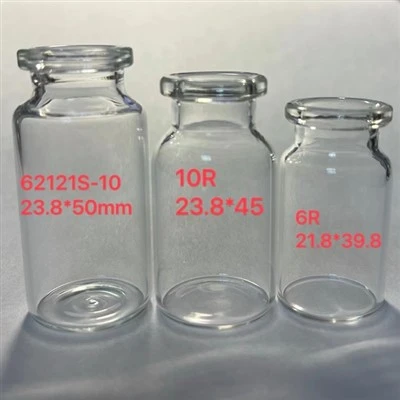
Research vials are typically designed to meet the precise and often delicate requirements of scientific experiments. They are often smaller in size, with common volumes ranging from a few milliliters to tens of milliliters. For example, the 10R Injection Vials Clear Serum Vial is a popular choice in research settings. These vials are designed to provide accurate and reproducible results, which means they need to have a high level of precision in terms of their internal volume and shape. They are also often equipped with features that allow for easy sampling and analysis, such as screw caps with septa for syringe access or snap - on caps that provide a tight seal to prevent contamination. - Industrial Vials:
Industrial vials, on the other hand, are more focused on large - scale production and handling. They tend to be larger in size to accommodate higher volumes of substances. For industrial processes where large quantities of materials need to be stored or transported, vials with volumes in the hundreds of milliliters or even liters may be used. The design of industrial vials emphasizes durability and ease of handling in a production environment. They are often made to withstand rough handling, such as being moved on conveyor belts or in bulk storage. For instance, industrial vials may have thicker walls to resist breakage during handling and transportation.
2. Material Quality
- Research Vials:
In research, the purity of the vial material is of utmost importance. Vials are often made from high - quality glass or plastic materials that are chemically inert. Borosilicate glass is a common choice for research vials because it has excellent chemical resistance and can withstand a wide range of temperatures. This is crucial when conducting experiments that involve strong acids, bases, or volatile chemicals. Some plastic research vials are made from materials like polypropylene, which is also chemically stable and resistant to many solvents. Additionally, research vials may undergo strict quality control measures to ensure that they are free from contaminants that could affect experimental results. - Industrial Vials:
While industrial vials also need to be made from suitable materials, the focus on material purity may not be as extreme as in research. Industrial applications often involve less sensitive substances, and the vials are selected based on their cost - effectiveness and ability to handle the specific industrial processes. For example, some industrial vials may be made from lower - grade glass or plastic materials that are still suitable for the intended use but may not meet the high - purity standards of research vials. However, for industries such as pharmaceuticals where product quality is critical, high - quality materials similar to research vials may be used. The Red Glass Vial Bottle can be used in some industrial pharmaceutical applications where protection against light is required.
3. Regulatory Requirements
- Research Vials:
Research vials are subject to strict regulatory requirements, especially when used in fields such as biological research, clinical trials, or pharmaceutical research. In these areas, vials need to comply with regulations related to sterility, biocompatibility, and accurate labeling. For example, vials used in cell culture research need to be sterile to prevent contamination of the cell lines. Regulatory bodies such as the FDA (Food and Drug Administration) in the United States or the EMA (European Medicines Agency) in Europe have specific guidelines for the use of vials in research settings. - Industrial Vials:
Industrial vials also face regulatory requirements, but they vary depending on the industry. In the food and beverage industry, vials used for storing samples or flavorings need to comply with food safety regulations. In the chemical industry, vials need to meet safety standards for handling hazardous chemicals. However, the regulatory framework for industrial vials may be more focused on general safety and quality control rather than the highly specific requirements of research vials.
4. Cost Considerations
- Research Vials:
Due to their high - quality materials, precision manufacturing, and strict quality control, research vials are generally more expensive than industrial vials. The cost is also influenced by the need for small - batch production to meet the specific requirements of different research projects. For researchers on a tight budget, the cost of vials can be a significant factor in their experimental planning. - Industrial Vials:
Industrial vials are often produced in large quantities, which allows for economies of scale. The cost per vial is typically lower, especially when considering the large volumes required for industrial production. However, the overall cost can still be significant depending on the size and material of the vials. For example, large - volume industrial vials made from high - quality materials may still be relatively expensive.
5. Quantity and Customization
- Research Vials:
Research projects often require smaller quantities of vials. Researchers may need a few dozen or a few hundred vials for a single experiment. Additionally, research vials may need to be customized to meet the specific needs of the experiment. This could include custom labeling with specific information about the sample, or custom - sized vials for unique experimental setups. - Industrial Vials:
Industrial applications usually demand large quantities of vials. Manufacturers may need thousands or even millions of vials for their production processes. While some industrial vials may be standardized, there is also a growing demand for customization in industrial settings. For example, industrial vials may need to be customized with company logos or specific markings for inventory management. The 15ml Centrifuge Tube Plastic Laboratory Vials can be used in both research and industrial settings, and may be customized according to the specific needs of the customer.
In conclusion, there are significant differences between lab vials for research and industrial use in terms of design, material quality, regulatory requirements, cost, and quantity/customization. As a lab vials supplier, we understand these differences and can provide you with the right vials for your specific needs. Whether you are a researcher looking for high - precision vials for your experiments or an industrial manufacturer in need of cost - effective and durable vials for your production, we have the expertise and product range to meet your requirements. If you are interested in purchasing lab vials, please feel free to contact us to discuss your specific needs and start a business negotiation.


References
- ASTM International. (Year). Standard specifications for laboratory glassware.
- FDA. (Year). Guidelines for pharmaceutical packaging materials, including vials.
- European Pharmacopoeia. (Year). Requirements for containers and vials used in pharmaceutical research and production.