

How to handle a broken serum vial?
Leave a message

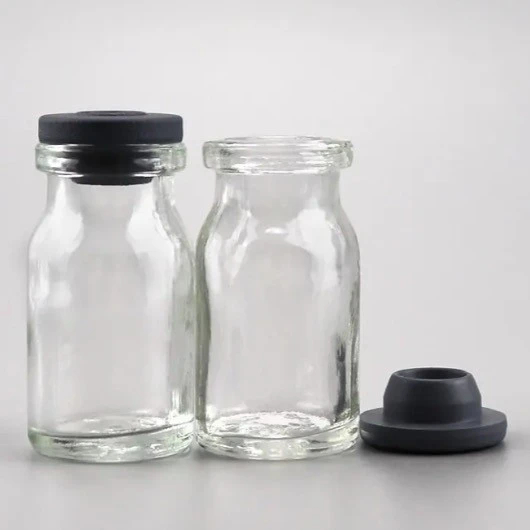
Handling a broken serum vial is a critical task that requires careful attention to safety, environmental concerns, and proper waste management. As a leading supplier of serum vials, including Pharmaceutical Bottle Glass Tiny Injection Vial, Sterile Sealed Injection Vials, and Gold-plated Pharmaceutical 10ml Crimp-seal Luxury Vial, we understand the importance of providing accurate guidance on this matter. In this blog, we will discuss the steps to take when a serum vial breaks, ensuring the safety of personnel and the environment.
Immediate Response
The moment a serum vial breaks, the first step is to ensure personal safety. If you are in the vicinity of the broken vial, immediately move to a safe distance to avoid any contact with the spilled contents. Serum vials can contain various substances, some of which may be hazardous, such as chemicals or biological agents. Therefore, it is crucial to take precautions to prevent exposure.
Wear Appropriate Personal Protective Equipment (PPE)
Before attempting to clean up the broken vial, put on the necessary PPE. This typically includes gloves, safety goggles, and a lab coat. Gloves should be made of a material that is resistant to the substances in the serum vial. Safety goggles will protect your eyes from any splashes, and a lab coat will prevent the substances from coming into contact with your skin and clothing.
Assess the Situation
Once you are properly protected, assess the extent of the spill. Determine the type of substance in the serum vial, as this will influence the cleaning and disposal procedures. If the substance is a hazardous chemical, refer to the Material Safety Data Sheet (MSDS) for specific information on handling and cleanup. If it is a biological agent, follow the appropriate biosafety protocols.
Contain the Spill
To prevent the spread of the spilled substance, use absorbent materials such as paper towels or spill kits to contain the spill. Carefully place the absorbent material around the perimeter of the spill and then slowly cover the spill itself. This will help to soak up the liquid and prevent it from spreading further.
Clean Up the Broken Glass
Use a pair of tongs or a dustpan and brush to carefully collect the broken glass pieces. Avoid using your hands, as this can lead to cuts and injuries. Place the broken glass in a puncture-resistant container, such as a sharps container. Make sure to label the container clearly as "Broken Glass" to indicate its contents.
Clean the Spilled Substance
After removing the broken glass, clean the spilled substance according to the type of material. If it is a water-soluble substance, you can use a mild detergent and water to clean the area. If it is a hazardous chemical, follow the instructions on the MSDS for proper cleanup. For biological agents, use a disinfectant solution that is effective against the specific organism.
Dispose of the Waste Properly
Proper waste disposal is essential to prevent environmental contamination and ensure the safety of others. The broken glass and the absorbent materials used to clean up the spill should be disposed of in accordance with local regulations. Hazardous waste, such as spilled chemicals or biological agents, must be disposed of through a licensed waste disposal company. Make sure to keep records of the waste disposal for regulatory purposes.
Decontaminate the Area
After cleaning up the spill, decontaminate the area to ensure that all traces of the substance are removed. Use a disinfectant solution that is appropriate for the type of substance spilled. Follow the instructions on the disinfectant label for proper application and contact time.

Report the Incident
It is important to report the broken serum vial incident to the appropriate personnel. This may include your supervisor, safety officer, or environmental health and safety department. Provide them with detailed information about the incident, including the type of substance spilled, the location of the spill, and the steps taken to clean it up. This information will help to prevent similar incidents in the future and ensure compliance with safety regulations.
Preventing Future Incidents
To minimize the risk of broken serum vials, it is important to take preventive measures. This includes proper handling and storage of serum vials. When handling serum vials, use caution to avoid dropping or knocking them over. Store serum vials in a secure location, away from sources of heat, moisture, and vibration. Make sure to follow the manufacturer's instructions for storage and handling.
Conclusion
Handling a broken serum vial is a serious matter that requires careful attention to safety and proper waste management. By following the steps outlined in this blog, you can ensure the safety of personnel and the environment when dealing with a broken serum vial. As a supplier of high-quality serum vials, we are committed to providing our customers with the information and resources they need to handle their products safely. If you have any questions or need further assistance, please do not hesitate to contact us for procurement and further discussions.
References
- Occupational Safety and Health Administration (OSHA). Hazard Communication Standard.
- Centers for Disease Control and Prevention (CDC). Biosafety in Microbiological and Biomedical Laboratories.
- Environmental Protection Agency (EPA). Hazardous Waste Management Regulations.


