

How do I determine the quantity of sterile flip off caps I need?
Leave a message

Determining the quantity of sterile flip off caps you need is a crucial aspect of managing your inventory and ensuring smooth operations, especially when you're in the business of supplying these essential components. As a supplier of sterile flip off caps, I understand the challenges and considerations that go into making this determination. In this blog post, I'll share some insights and strategies to help you accurately calculate the quantity of sterile flip off caps required for your specific needs.
Understanding Your Demand
The first step in determining the quantity of sterile flip off caps you need is to understand your demand. This involves analyzing your past usage, current projects, and future growth projections. If you have historical data on the number of caps used over a specific period, it can serve as a valuable reference point. Look for trends in usage, such as seasonal fluctuations or spikes in demand during certain times of the year.
For example, if you supply sterile flip off caps to a pharmaceutical company, you may notice increased demand during the flu season or when new medications are launched. By identifying these patterns, you can better anticipate your future needs and adjust your inventory levels accordingly.
Consider Your Production Capacity
Another important factor to consider is your production capacity. If you're manufacturing the sterile flip off caps in-house, you need to ensure that you have the necessary resources and equipment to meet your demand. This includes raw materials, labor, and production facilities.
Evaluate your production process to determine how many caps you can produce in a given time frame. Consider factors such as machine efficiency, downtime for maintenance, and the availability of skilled labor. By understanding your production capacity, you can set realistic goals for your inventory levels and avoid overproduction or shortages.
Account for Lead Times
Lead times are the time it takes for you to receive a new supply of sterile flip off caps after placing an order. This includes the time it takes for the manufacturer to produce the caps, package them, and ship them to your location.

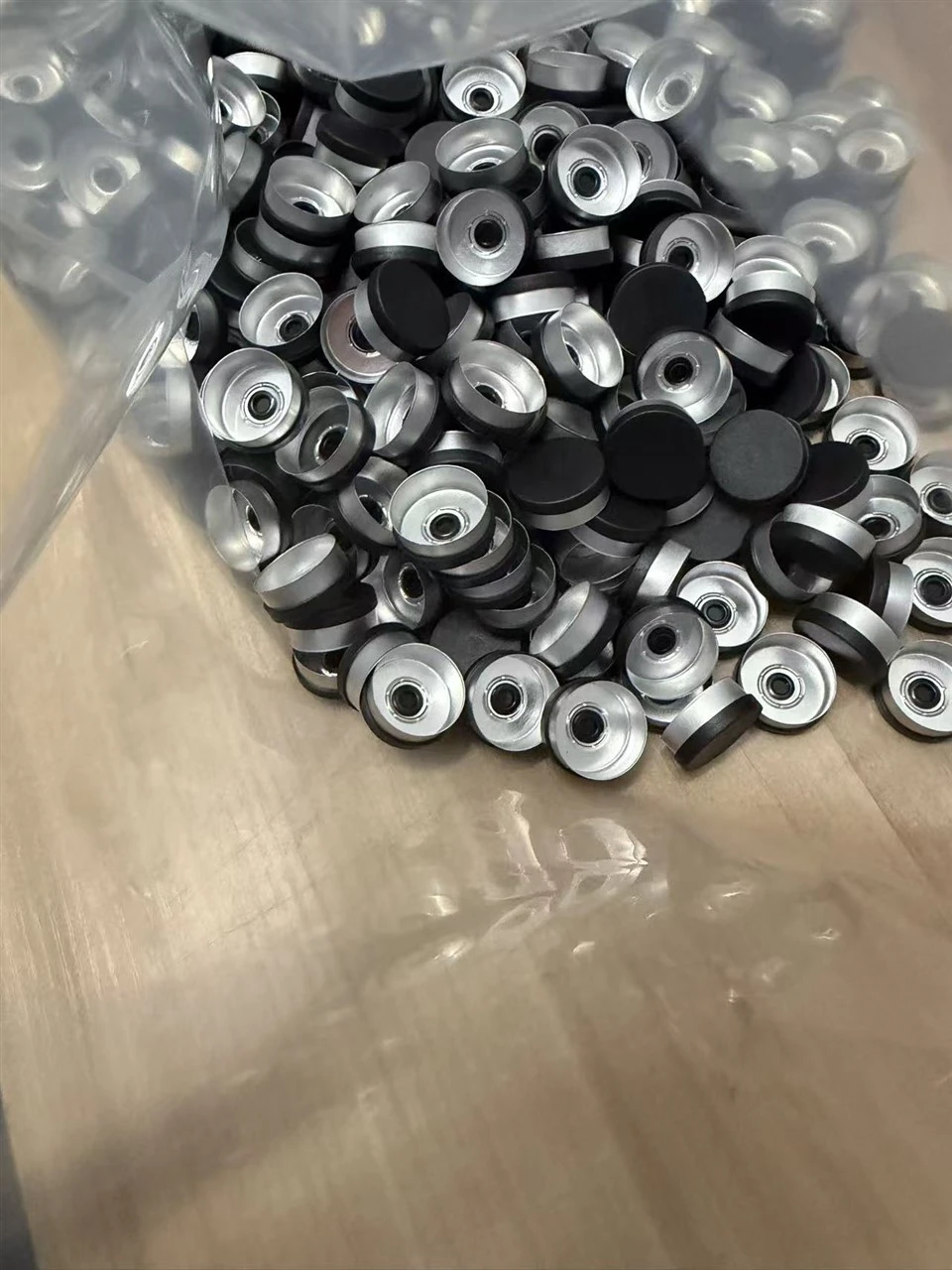
When determining the quantity of caps you need, it's important to account for lead times. If your lead time is long, you may need to maintain a higher inventory level to ensure that you don't run out of caps during the waiting period. On the other hand, if your lead time is short, you can afford to keep a lower inventory level and order caps as needed.
Factor in Safety Stock
Safety stock is an additional quantity of sterile flip off caps that you keep on hand to protect against unexpected fluctuations in demand or supply disruptions. It acts as a buffer to ensure that you have enough caps to meet your customers' needs, even in unforeseen circumstances.
The amount of safety stock you need depends on several factors, including the variability of your demand, the reliability of your suppliers, and the cost of carrying inventory. A general rule of thumb is to keep enough safety stock to cover at least one to two weeks of demand. However, this may vary depending on your specific situation.
Analyze Your Customer Base
Your customer base plays a significant role in determining the quantity of sterile flip off caps you need. Different customers may have different requirements and usage patterns. For example, a large pharmaceutical company may have a higher demand for caps compared to a small research laboratory.
Segment your customer base based on their size, industry, and usage volume. This will allow you to tailor your inventory levels to meet the specific needs of each customer segment. You can also establish long-term contracts with your key customers to ensure a stable demand and reduce the risk of overstocking or understocking.
Use Inventory Management Software
Inventory management software can be a valuable tool for determining the quantity of sterile flip off caps you need. These software solutions can help you track your inventory levels, monitor usage patterns, and generate forecasts based on historical data.
Many inventory management software systems also offer features such as reorder point alerts, which notify you when your inventory levels reach a certain threshold. This can help you stay on top of your inventory and ensure that you never run out of caps.
Consider the Cost of Inventory
The cost of inventory is an important consideration when determining the quantity of sterile flip off caps you need. Holding too much inventory can tie up your capital and increase your storage costs, while holding too little inventory can result in lost sales and dissatisfied customers.
To find the optimal inventory level, you need to balance the cost of carrying inventory with the cost of stockouts. This involves considering factors such as the cost of the caps, the cost of storage, the cost of ordering, and the cost of lost sales.
Conclusion
Determining the quantity of sterile flip off caps you need is a complex process that requires careful consideration of several factors. By understanding your demand, production capacity, lead times, safety stock, customer base, and the cost of inventory, you can make informed decisions and ensure that you have the right amount of caps on hand to meet your customers' needs.
If you're in the market for high-quality sterile flip off caps, we offer a wide range of options to suit your specific requirements. Check out our Sterile 13mm Flip Off Cap, Logo Print Vial Seals, Red, Bag Of 1000 and Sterile 20mm Flip Off Cap Vial Seals, Black, Rough Matte, Bag Of 1000.
If you have any questions or would like to discuss your specific needs, please feel free to contact us. We're here to help you find the right solution for your business.
References
- Inventory Management: Principles and Practices, by David Pyke, Robert Cohen, and Brian Young
- Supply Chain Management: Strategy, Planning, and Operation, by Sunil Chopra and Peter Meindl
- Operations Management: Processes and Supply Chains, by Lee Krajewski, Larry Ritzman, and Manoj Malhotra


