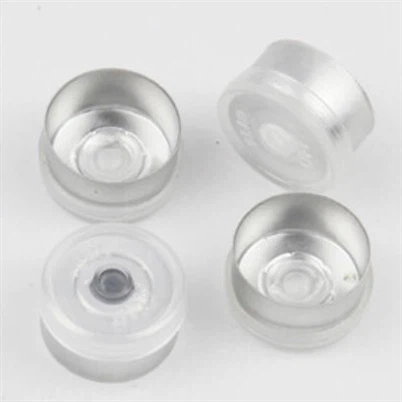
Do serum vials need to be refrigerated?
Leave a message

Do Serum Vials Need to be Refrigerated?
As a supplier of serum vials, I often get asked the question: "Do serum vials need to be refrigerated?" This is a crucial query, especially considering the nature of the substances they contain and the impact of storage conditions on their stability and efficacy. In this blog, I'll delve into the factors that determine whether serum vials require refrigeration and provide some insights based on scientific knowledge and industry best practices.
Understanding Serum Vials and Their Contents
Serum vials are small containers typically made of glass or plastic, designed to hold various types of serums, vaccines, medications, and other biological substances. These substances can be highly sensitive to environmental factors such as temperature, light, and humidity. The need for refrigeration largely depends on the specific contents of the vial.
Factors Influencing the Need for Refrigeration
- Nature of the Substance: Many biological substances, such as proteins, enzymes, and certain vaccines, are thermolabile, meaning they are sensitive to heat. High temperatures can cause these substances to denature, losing their biological activity and effectiveness. For example, some vaccines need to be stored at specific cold temperatures to maintain their potency. On the other hand, some chemical compounds may be more stable at room temperature and may not require refrigeration.
- Manufacturer's Instructions: The manufacturer of the serum or the medication inside the vial usually provides clear instructions regarding storage conditions. These instructions are based on extensive research and testing to ensure the product's quality and safety. It is essential to follow these guidelines carefully to avoid compromising the integrity of the contents.
- Shelf Life: Refrigeration can significantly extend the shelf life of many products. By keeping the vials at a lower temperature, the rate of chemical reactions and microbial growth is reduced, which helps to preserve the product for a longer period. However, not all products benefit equally from refrigeration, and some may even be damaged by cold temperatures.
Examples of Serum Vials and Their Storage Requirements
Let's take a look at some specific examples of serum vials and their storage needs:
- Vitamin D3 Injection Vial: Vitamin D3 is relatively stable at room temperature, but it may still benefit from refrigeration to extend its shelf life. The exact storage requirements can vary depending on the formulation and the manufacturer's recommendations.
- 20ml Vial Of Sterile Water for Injection: Sterile water for injection is generally stable at room temperature. However, it should be stored in a clean and dry environment to prevent contamination. Refrigeration may not be necessary unless specified by the manufacturer.
- 30ml 100ml With Plugs And Seals: The storage requirements for these vials depend on the contents. If they contain heat-sensitive substances, refrigeration may be required. Always refer to the product's label or the manufacturer's instructions.
Best Practices for Storing Serum Vials
- Follow the Manufacturer's Instructions: As mentioned earlier, the manufacturer's guidelines are the most reliable source of information regarding storage conditions. Make sure to read and understand these instructions carefully.
- Use a Reliable Refrigerator: If refrigeration is required, use a dedicated medical refrigerator that can maintain a consistent temperature within the recommended range. Regularly monitor the temperature to ensure it remains stable.
- Protect from Light and Humidity: Some substances are also sensitive to light and humidity. Store the vials in a dark, dry place, and avoid exposing them to direct sunlight or excessive moisture.
- Label and Organize: Properly label the vials with the name of the contents, expiration date, and storage requirements. Keep them organized to facilitate easy access and inventory management.
The Role of Serum Vial Suppliers
As a serum vial supplier, we play a crucial role in ensuring the quality and integrity of the vials. We work closely with our customers to understand their specific needs and provide them with the appropriate vials and storage recommendations. Our vials are designed to meet the highest standards of quality and safety, and we offer a wide range of options to suit different applications.
Conclusion
In conclusion, the need for refrigeration of serum vials depends on several factors, including the nature of the contents, the manufacturer's instructions, and the desired shelf life. It is essential to follow the recommended storage conditions to ensure the stability and efficacy of the substances inside the vials. As a serum vial supplier, we are committed to providing our customers with high-quality products and expert advice on storage and handling.


If you are interested in purchasing serum vials or have any questions about their storage requirements, please feel free to contact us. We look forward to working with you to meet your needs.
References
- Pharmaceutical Packaging Handbook. [Publisher details if available].
- Scientific literature on the stability of biological substances and medications.