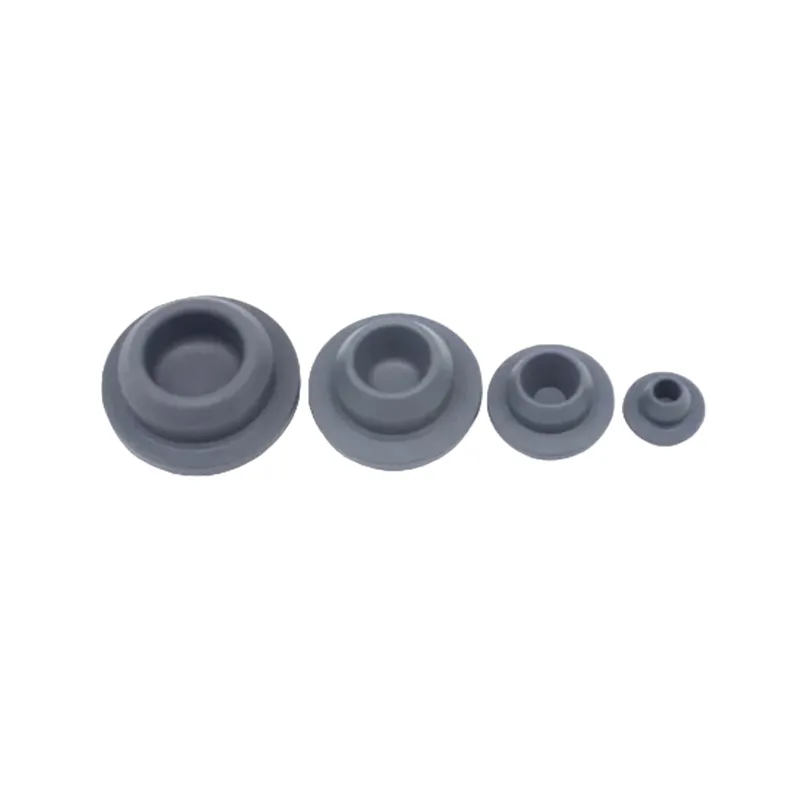
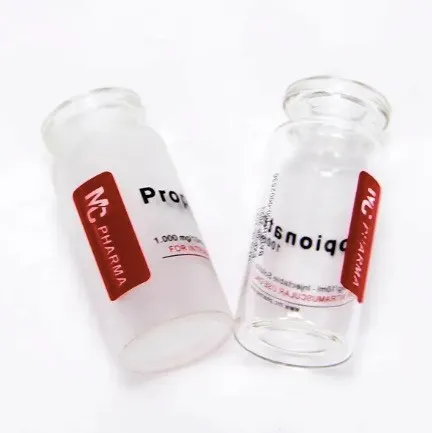
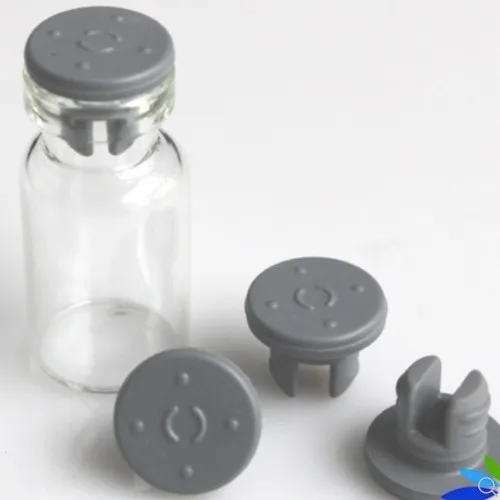
13mm 20mm Coated Bromobutyl Vial Rubber Stopper
video
13mm 20mm Coated Bromobutyl Vial Rubber Stopper

13mm 20mm Coated Bromobutyl Vial Rubber Stopper

Size of rubber stopper for glass vial & bottles: 13mm, 20mm, 26mm, 28mm, 32mm
Material: Chloro-butyl and Bromobutyl Rubber
Usage: Closures for injection or infusion vial
Size: 13mm, 20mm, 28mm, 32mm
Coated available: Teflon Coated as per customer's request

  • Fast Delievery
  • Quality Assurance
  • 24/7 Customer Service
  • iconFull Customization

Description


Coated Bromobutyl Stopper 13mm 20mm · PTFE Fluoropolymer


Low Extractables · Reduced Coring · USP <381> · EP 3.2.9

coated bromobutyl rubber stopper · 13mm 20mm · PTFE

fluoropolymer · low extractables · pharmaceutical vial


Coated Bromobutyl

Vial Rubber Stopper

13mm & 20mm · PTFE / Fluoropolymer Coating · Low Extractables · Reduced Coring · USP <381> · EP 3.2.9

Barrier coating between rubber compound and formulation · for sensitive biologics · peptides · proteins · high-value injectables

We offer different kinds of rubber stopper:

(1) Normal rubber stopper made of Chloro Bromo butyl

(2) Lyo rubber stopper made of Chloro Bromo butyl

(3) Infusion rubber stopper

(4) Butyl and natural rubber plunger for dental cartridge

(5) Teflon coating rubber stopper


Size of Teflon coating rubber: 13mm, 20mm, 32mm

Size of rubber stopper for glass vial & bottles: 13mm, 20mm, 26mm, 28mm, 32mm

13mm

Small size

20mm

Standard size

PTFE coated

Primary option

Fluoropolymer

Coating type

Low extract.

Key benefit ★

USP/EP

Compliant


Material

Chloro-butyl and Bromobutyl Rubber

Usage

Closures for injection or infusion vial

Size

13mm, 20mm, 28mm, 32mm

Coated available

Teflon Coated as per customer's request


What coated means - the problem it solves


product-1024-1024

Why a standard bromobutyl stopper sometimes isn't enough - and what the coating adds

Bromobutyl rubber is the pharmaceutical industry's standard elastomer for injectable vial stoppers. It has excellent chemical resistance, low gas permeability, good self-sealing properties, and a well-characterised extractables profile. For the majority of aqueous injectable formulations, an uncoated bromobutyl stopper provides adequate container closure integrity with an acceptable extractables burden. But for a growing category of pharmaceutical products - sensitive biologics, peptide injectables, high-potency proteins, and formulations with demanding compatibility requirements - the extractables from even a well-formulated bromobutyl compound represent a genuine risk to product quality. The coating exists to address that risk directly.

What extractables are - and why they matter

Rubber stoppers are complex composite materials - the bromobutyl polymer base is compounded with vulcanisation agents (sulphur, accelerators), antioxidants, fillers, plasticisers, and processing aids. During contact between the stopper and the pharmaceutical formulation, some of these compounds can migrate into the liquid - these are called extractables (under controlled extraction conditions) or leachables (in the actual product under real storage conditions). Extractables from rubber stoppers include nitrosamines, thiurams, thiazoles, zinc compounds, and various organic small molecules - many of which are toxicologically relevant at trace concentrations, particularly for parenterally administered biologics and protein injectables.


Regulatory guidance - including the BioPhorum Operations Group (BPOG) extractables testing protocol, ICH Q3D (elemental impurities), and USP <1664> (assessment of drug product leachables associated with pharmaceutical packaging) - increasingly requires manufacturers to characterise, quantify, and demonstrate the safety of leachables from all primary container components. A coated stopper significantly reduces the leachable burden, simplifying this compliance task for sensitive formulations.

product-1024-1024
product-1024-1024

How the coating solves the problem

A PTFE (polytetrafluoroethylene) or fluoropolymer coating is applied to the formulation-contact surface of the bromobutyl stopper - the surfaces that directly contact the drug product during fill-and-hold and shelf life storage. The coating acts as a physical and chemical barrier between the rubber compound and the formulation, substantially reducing the migration of rubber-derived extractable species into the pharmaceutical liquid. The underlying bromobutyl compound continues to perform its primary function - providing the elastomeric seal, self-sealing properties, and mechanical performance of a rubber stopper - while the coating handles the extractables barrier function.


Beyond extractables reduction, the fluoropolymer coating also improves the lubricity of the stopper surface - reducing the force required for needle penetration and reducing the risk of coring (rubber particle generation during needle insertion). These are important secondary benefits for sensitive biologics where sub-visible particle count in the drug product is a critical quality attribute.


 The coating does not change the stopper's primary sealing function


A common misconception is that the coating weakens the stopper's sealing or self-sealing performance. This is not the case. The PTFE or fluoropolymer coating is applied only to the formulation-contact surfaces - it does not alter the rubber compound's compression set, elastomeric recovery, or the crimp-applied seating force that creates the hermetic seal. The self-sealing property after needle withdrawal comes from the rubber's elastomeric memory - the coating does not impede this, and coated stoppers meet the same post-puncture seal criteria under USP <381> as uncoated equivalents. The coating is an additional functional layer, not a substitution for rubber stopper performance.


Three principal benefits of the coated bromobutyl stopper


What the coating delivers - three measurable improvements over uncoated

The PTFE or fluoropolymer coating on a bromobutyl rubber stopper delivers three distinct, measurable improvements over the equivalent uncoated stopper - each addressing a specific quality risk in sensitive injectable formulations.

product-1024-1024
01

Substantially reduced extractables and leachables

Primary benefit · formulation safety · regulatory compliance


The coating physically separates the rubber compound from the formulation, reducing the extractable species that can migrate into the drug product. For sensitive biologics and protein injectables where individual leachable species must be characterised and qualified against toxicological thresholds per ICH Q3D and <1664>, a coated stopper significantly reduces the number of species requiring qualification and the concentrations at which they appear in the final product - simplifying the extractables and leachables (E&L) programme and reducing the regulatory risk of individual species exceeding their analytical evaluation thresholds (AET).


✓ Barrier prevents rubber-compound species migrating into formulation

✓ Fewer leachable species to characterise in E&L programme

✓ Lower leachable concentrations - more headroom to AET

✓ Simpler ICH Q3D / USP <1664> compliance documentation

02

Reduced coring - fewer sub-visible particles

Particle control · biologics · critical quality attribute


Coring is the generation of rubber particles when a hypodermic needle is inserted through the stopper - small fragments of rubber that detach from the stopper surface and enter the drug product. Sub-visible particle count is a critical quality attribute for injectable drug products (USP <787> for biologics, USP <788> for small molecules) and a primary concern for biologics where rubber particles can trigger immunogenic responses or interact with sensitive protein molecules. The fluoropolymer coating on the stopper surface provides a smoother, more lubricious surface that generates significantly fewer particles on needle penetration compared to the uncoated bromobutyl surface.


✓ Smoother surface - fewer rubber particles on needle insertion

✓ Reduced sub-visible particle count in drug product

✓ Supports compliance with USP <787> / <788> particle limits

✓ Critical for protein and monoclonal antibody injectables

product-1024-1024
product-1024-1024
03

Improved needle penetration - consistent low force

Clinical use · automated filling · penetration consistency


The fluoropolymer coating is inherently lubricious - it reduces the coefficient of friction between the needle and the stopper surface, lowering the needle penetration force required across the range of standard hypodermic gauge sizes. Consistent, low penetration force is important in automated vial filling and stoppering systems (where the stopper insertion force must be within a validated range) and in clinical use (where healthcare workers access vials by needle). For lyophilized biologics where the stopper must be penetrated cleanly by a narrow-gauge reconstitution needle, a coated stopper provides more reliable and consistent penetration performance than an uncoated equivalent.


✓ Lower coefficient of friction - smoother needle insertion

✓ Consistent penetration force across needle gauge range

✓ Supports automated filling and stoppering line performance

✓ Better clinical experience - less force, cleaner penetration


Coating types - PTFE / fluoropolymer and silicone


Two coating technologies - PTFE / fluoropolymer and silicone oil

Two principal coating technologies are used for pharmaceutical rubber stoppers. They differ in mechanism, performance, and suitability for different formulation types. Understanding the difference helps select the correct coated stopper for your specific application.

product-1024-1024
PTFE / Fluoropolymer ★.

PTFE-coated bromobutyl stopper

Film coating · bonded surface · recommended for biologics


A PTFE (polytetrafluoroethylene) or fluoropolymer film is bonded or laminated to the formulation-contact surfaces of the bromobutyl stopper during manufacture. The coating is a distinct, continuous polymer film - not a spray or surface treatment - that forms a durable, chemically inert barrier between the rubber compound and the pharmaceutical formulation. PTFE is chemically inert, has a very low coefficient of friction, and does not itself contribute extractable species to the formulation. This is the primary coating technology recommended for protein biologics, monoclonal antibody injectables, peptide formulations, and any sensitive parenteral product with stringent extractables requirements.


✓ Bonded PTFE film - not a spray, does not delaminate under normal use

✓ Chemically inert - PTFE itself contributes no additional extractables

✓ Maximum extractables reduction - recommended for biologics

✓ Best-in-class lubricity - lowest needle penetration force

✓ Compatible with steam autoclave sterilization

Silicone Oil.

Silicone-coated bromobutyl stopper

Surface lubrication · processability · lower extractables


A silicone oil (polydimethylsiloxane, PDMS) surface treatment is applied to the stopper surface to provide lubricity and a partial barrier between the rubber and the formulation. Silicone coating is less chemically inert than PTFE and contributes silicone-derived species (primarily PDMS oligomers) to the extractables profile - so while it reduces rubber-compound extractables, it introduces a different class of extractable that must itself be characterised. Silicone coating is appropriate for products where lubricity is the primary requirement, where silicone compatibility with the formulation has been confirmed, and where the full PTFE coating specification is not required. Silicone-coated stoppers are generally lower in cost than PTFE-coated equivalents.


✓ Good lubricity - improved needle penetration and processability

✓ Reduces rubber-compound extractables migration

✓ Lower cost than PTFE-coated option

✓ Appropriate where silicone compatibility is confirmed

product-1024-1024


Packing and Labeling


Packed in double PE bag or tyvek bag

Both are aseptic bags

Three layers of PE (gamma ray)


HTB16HHOXHr1gK0jSZR0q6zP8XXau


PTFE / Fluoropolymer vs Silicone - which to specify


Parameter Uncoated bromobutyl PTFE / fluoropolymer coated ★ Silicone coated
Extractables reduction Baseline Maximum reduction ★ Partial reduction
Coating introduces extractables Rubber compound only None - PTFE is inert ★ PDMS silicone species
Needle penetration force Standard Lowest - best lubricity ★ Reduced vs uncoated
Coring / sub-visible particles Baseline risk Substantially reduced ★ Partially reduced
Recommended for biologics Case-by-case Yes - preferred ★ Confirm compatibility
Recommended for proteins / mAb Limited Yes ★ PDMS may interact
Autoclave compatibility Yes Yes Yes
Relative cost Lowest Higher than uncoated Between uncoated and PTFE


 For biologics and protein injectables: specify PTFE / fluoropolymer coating


The pharmaceutical industry consensus for biologics, monoclonal antibodies, and sensitive protein injectables is PTFE or fluoropolymer-coated stoppers - not silicone. This preference is driven by two factors: (1) PTFE is chemically inert and does not contribute additional extractable species, while silicone oil introduces PDMS oligomers that must be separately characterised; and (2) silicone oil can interact with protein molecules - PDMS has been shown to cause protein aggregation in some formulations, a critical quality failure for biologic drug products. When in doubt about which coating to specify for your formulation, consult your formulation development and analytical chemistry team, and request the full extractables dataset (Technical Data Sheet) for both coating options from the stopper supplier.


Size guide - 13mm and 20mm coated stoppers


Coated bromobutyl stopper - 13mm and 20mm for all standard pharmaceutical vial formats

The coated bromobutyl stopper is available in both 13mm and 20mm nominal sizes - the two standard sizes for pharmaceutical tubular glass injection vials. The coating is applied identically to both sizes; the coating performance and extractables profile are equivalent across both formats.

13mm

Coated bromobutyl - 13mm

2ml · 3ml · 5ml small-format vials

✓ For 2ml–5ml tubular glass vials with 13mm neck finish

✓ PTFE or fluoropolymer coating on all contact surfaces

✓ Small-volume biologics, peptides, and hormone injectables

✓ Single-dose high-potency formulations

✓ Matched with 13mm flip off or fully enclosed Al cap

product-1024-1024
product-1024-1024

20mm

Coated bromobutyl - 20mm ★

5ml · 10ml · 20ml · standard injectable vials

✓ For 5ml–50ml tubular glass vials with 20mm neck finish

✓ Most common format for biologic and biosimilar drug products

✓ 10ml multi-dose biologics and protein injectables

✓ Lyophilized mAb, protein, and peptide products (two-leg available)

✓ Matched with 20mm flip off or fully enclosed Al cap


Applications - where coated stoppers are specified


Three formulation categories where coated stoppers are the right choice - not just a premium option

Coated bromobutyl stoppers are not universally required for all injectables - they are the right choice for specific formulation categories where the extractables and particle risks of an uncoated stopper present real quality and regulatory challenges.

product-1024-1024

1


Category 1 · Biologics


Protein biologics and monoclonal antibodies


Large-molecule biologics - recombinant proteins, monoclonal antibodies (mAb), antibody-drug conjugates (ADC), and fusion proteins - are sensitive to both chemical extractables (which can alter protein conformation, cause aggregation, or introduce toxicologically relevant species) and sub-visible particles (rubber particles from coring that can trigger immune responses or interfere with protein stability). PTFE-coated stoppers are the industry standard for this product category, supported by the BioPhorum Operations Group (BPOG) extractables testing protocol and ICH Q3D guidance.


 Monoclonal antibodies (mAb) and biosimilars

Fusion proteins and Fc-fusion constructs

Antibody-drug conjugates (ADC)

Recombinant enzymes and growth factors


product-1024-1024

2


Category 2 · Peptides


Peptide injectables and hormone formulations


Synthetic and recombinant peptides - including GLP-1 analogues, growth hormone preparations, oxytocin, vasopressin, and therapeutic peptides - are sensitive to trace metal extractables (which can catalyse oxidation) and organic extractables (which can cause protein adsorption or formulation interaction). The low-volume, high-value nature of many peptide injectable products makes the cost premium of coated stoppers commercially acceptable and the extractables management advantage particularly valuable for regulatory submissions in the US, EU, and Japan.


GLP-1 analogues (semaglutide, liraglutide type)

Growth hormone and IGF-1 preparations

Peptide research and clinical supply vials

Oxytocin, vasopressin, therapeutic peptides


product-1024-1024

3


Category 3 · Sensitive formulations


High-pH, oxidation-sensitive, and low-volume formulations


Several classes of small-molecule injectable formulations also benefit from coated stoppers: high-pH formulations (pH > 8) that are more aggressive extractors of rubber-compound species; formulations containing oxidation-sensitive active ingredients where trace metal extractables from rubber catalyse degradation; and very low-volume, very high-potency formulations where even trace extractable concentrations represent a significant proportion of the total dose volume. In these cases, the coated stopper is specified not because of molecular sensitivity but because of the formulation's chemical aggressiveness or the analytical sensitivity requirements of very low-volume products.


High-pH injectable formulations (pH > 8)

Oxidation-sensitive formulations requiring trace metal control

Oncology injectables with stringent ICH Q3D requirements

Low-volume high-potency single-dose vials


Compliance and documentation


Regulatory compliance for coated bromobutyl stoppers - standards, tests, and documentation
 

The coated bromobutyl stopper must meet the same pharmacopoeial standards as the uncoated equivalent - the coating does not change the fundamental compliance requirements, but it does improve the stopper's ability to meet the increasingly stringent extractables and leachables expectations of modern biologic drug product development.


Pharmacopoeial standards

Extractables and leachables documentation


USP <381> Elastomeric closures for injections

the primary US regulatory standard for rubber stoppers used with injectable drug products. Tests include physicochemical properties (pH, colour, reducing substances, heavy metals, extractable zinc), self-sealing (post-puncture), and fragmentation (no coring). The coated stopper must meet all USP <381> requirements; the PTFE coating does not exempt the stopper from any test, and the extractable results are typically improved by the coating.

Technical Data Sheet (TDS)

the primary extractables documentation for the coated stopper, typically including controlled extraction study results (aqueous, organic, and acidic extractants at elevated temperature), individual extractable species quantified, and comparison against uncoated equivalents. We provide full TDS documentation for our coated stoppers at the time of sample or order confirmation.

EP 3.2.9 Rubber closures for aqueous preparations

the European Pharmacopoeia equivalent, specifying aqueous extract preparation at 121°C and testing for absorbance, pH, reducing substances, zinc, and fragmentation. As with USP, the coated stopper meets all EP 3.2.9 requirements.

BioPhorum extractables testing protocol compliance

the industry standard framework for extractables testing of primary packaging components used with biologic drug products. Our coated stopper extractables data is generated under conditions consistent with the BioPhorum protocol to support your drug product's leachables assessment and regulatory submission.

ISO 8362-5

dimensional and performance standard for rubber closures for injection vials, specifying 13mm and 20mm nominal sizes. The coated stopper meets ISO 8362-5 dimensional requirements.

ICH Q3D / USP <1664> support

elemental impurity and organic leachable characterisation data, expressed against established Permitted Daily Exposure (PDE) limits and Analytical Evaluation Thresholds (AET), provided on request for regulatory submission packages.


Complete specifications


Coated bromobutyl rubber stopper - full specification reference


Reference specifications for the 13mm and 20mm PTFE / fluoropolymer coated bromobutyl rubber stopper.


Parameter 13mm coated 20mm coated
Base elastomer
Elastomer type Bromobutyl rubber ★ Bromobutyl rubber ★
Shore A hardness 40–55 Shore A 40–55 Shore A
Stopper format Standard serum · two-leg lyo available Standard serum · two-leg lyo available
Coating
Coating type PTFE / fluoropolymer film ★ PTFE / fluoropolymer film ★
Coating surfaces All formulation-contact surfaces All formulation-contact surfaces
Coating extractables None - PTFE is chemically inert None - PTFE is chemically inert
Silicone coating option Available on request Available on request
Performance
Extractables vs uncoated Substantially reduced ★ Substantially reduced ★
Needle penetration force Reduced - PTFE lubricity Reduced - PTFE lubricity
Self-sealing (post-puncture) Yes - USP <381> tested Yes - USP <381> tested
Sterilization Autoclave 121°C compatible Autoclave 121°C compatible
Compliance and documentation
Standard USP <381> · EP 3.2.9 · ISO 8362-5 USP <381> · EP 3.2.9 · ISO 8362-5
Extractables data Full TDS · BioPhorum consistent Full TDS · BioPhorum consistent
Sample available Free - request with TDS Free - request with TDS


Who specifies coated bromobutyl stoppers

Coated stopper - who orders and why
 

Coated bromobutyl stoppers are specified by organisations where the extractables burden of a standard rubber stopper is a product quality or regulatory risk that must be proactively managed.

Biotech and biologic manufacturers

mAb · protein · biologic injectables

Manufacturers of monoclonal antibodies, biosimilars, and biologic drug products requiring PTFE-coated stoppers to meet ICH Q3D, BioPhorum extractables protocol, and USP <1664> leachables standards for their regulatory submissions.

product-1024-1024
product-1024-1024

peptide pharmaceutical companies

GLP-1 · growth hormone · therapeutic peptides

Companies developing and manufacturing injectable peptide drug products where trace extractables from rubber could interact with the peptide molecule, catalyse oxidation, or exceed toxicological thresholds at the volumes administered.

CDMOs - biologic fill-finish

Multi-client · standard for biologics lines

Contract fill-finish organisations running dedicated biologic filling lines where PTFE-coated stoppers are a platform specification - standardised across all biologic client products to ensure baseline extractables control without per-product stopper selection.

product-1024-1024
product-1024-1024

clinical supply and IMP packaging

Phase I–III · first-in-human biologics

Clinical supply facilities packaging first-in-human and later-phase biologic investigational products where regulatory agencies expect extractables control documentation and the coated stopper provides a defensible, documented barrier approach.

advanced oncology manufacturers

High-potency · stringent ICH Q3D

Oncology injectable manufacturers whose products have stringent permitted daily exposure limits under ICH Q3D, where even the low extractables from a standard bromobutyl stopper may approach the AET and require documented control.

product-836-836
product-836-836

Research and bioanalytical labs

Reference standards · stability samples

Research laboratories and bioanalytical facilities packaging reference standard solutions, stability samples, and analytical standard preparations in vials where extractable contamination of the reference material would compromise analytical results.


product-1280-1707

Coated. Barrier in place. Extractables controlled.


13mm and 20mm PTFE-coated bromobutyl stopper - sample and TDS within 48 hours.


Tell us your vial size (13mm or 20mm), stopper format (standard serum or two-leg lyophilization), and application (biologic / peptide / sensitive formulation) - we'll send a free sample with the full extractables TDS and pharmacopoeial CoA within 48 hours.


-05


Hot Tags: 13mm 20mm coated bromobutyl vial rubber stopper, China 13mm 20mm coated bromobutyl vial rubber stopper manufacturers, suppliers, 20mm Butyl Vial Rubber Stopper, Blue Butyl Vial Rubber Stopper Septum 20mm, Medical Bottle Glass Vials Use Rubber Stopper, Rubber Stopper for Liquid Powder Vial, Glass Vial with Cap Rubber Stopper, 13mm 20mm Coated Bromobutyl Vial Rubber Stopper

You Might Also Like

Shopping Bags